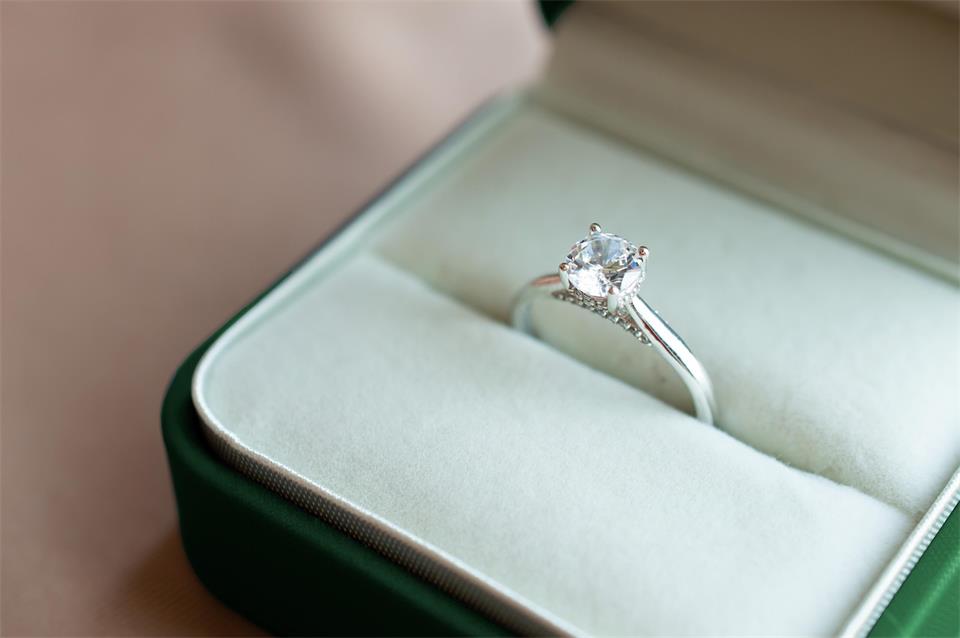
Buying a gold engagement ring is one of the most meaningful purchases you’ll ever make. It’s not just a piece of jewelry—it’s a symbol of commitment, personality, and shared future plans. But with so many options available, from different gold types to stones and settings, it’s easy to make a rushed or uninformed decision.
To help you avoid common mistakes and choose a ring that truly lasts, here are 7 important things to know before buying a gold engagement ring.
1. Gold Purity: Why Karats Matter
Gold purity is measured in karats (K), and this directly affects how the ring looks, feels, and wears over time.
- 24K gold is pure gold, but too soft for everyday rings
- 18K gold contains 75% gold and has a rich, luxurious color
- 14K gold contains 58.5% gold and is more durable
Because pure gold bends and scratches easily, it’s mixed with other metals to create stronger alloys. That’s why engagement rings are rarely made from 24K gold.
If you’re choosing between 14K and 18K:
- Go for 14K if durability is your top priority
- Choose 18K if you want a deeper gold color and a more premium feel
Understanding this balance is essential since the ring will be worn daily.
2. Gold Color: More Than Just Style
Gold engagement rings are available in three main colors, each created by mixing gold with different metals:
- Yellow gold – classic and timeless
- White gold – modern and elegant
- Rose gold – soft and romantic
Yellow gold is the most traditional choice and requires minimal maintenance. White gold has a sleek, contemporary look but may need occasional replating to maintain its bright finish. Rose gold has become increasingly popular due to its unique tone and vintage appeal.
When choosing a color, think about your partner’s existing jewelry. Matching tones will ensure the engagement ring blends naturally with what they already wear.
3. Set a Budget That Works for You
There’s no universal rule for how much you should spend on an engagement ring. The idea of spending multiple months’ salary is outdated.
Instead, focus on:
- Your financial comfort
- Long-term priorities
- The value you place on the ring
Prices vary depending on gold purity, craftsmanship, and especially the center stone. It’s possible to find beautiful, meaningful rings at many price points.
A smart buyer doesn’t chase the highest price—they aim for the best balance of quality, design, and affordability.
4. Durability and Everyday Wear
An engagement ring isn’t worn occasionally—it’s worn every day. That means durability is critical.
If your partner has an active lifestyle, consider:
- Stronger gold (like 14K)
- Thicker bands for better resistance to bending
- Secure settings that protect the stone
Delicate designs may look beautiful but can wear down faster over time. A slightly sturdier ring often provides better long-term value.
Think of the ring not just as jewelry, but as something that needs to handle years of daily use.
5. The Center Stone Defines the Ring
While the gold band is important, the center stone is usually the main focus of the ring.
If you’re choosing a diamond, you should understand the 4 Cs:
- Cut
- Color
- Clarity
- Carat
These determine how the diamond looks and how much it costs.
However, many buyers are now exploring alternatives such as:
- Sapphires
- Emeralds
- Lab-grown diamonds
These options can offer unique aesthetics and better value.
The key is to choose a stone that fits your partner’s taste. Some prefer classic sparkle, while others want something distinctive and personal.
6. Ring Size: Small Detail, Big Impact
Getting the ring size right is crucial. A poorly fitting ring can be uncomfortable or even unsafe.
If you want to keep the proposal a surprise, you can:
- Borrow a ring your partner already wears
- Ask someone close to them
- Use a sizing guide
Some rings can be resized, but not all. Designs with stones around the band or intricate settings can be difficult to adjust.
If you’re unsure, it’s usually better to choose a slightly larger size than one that’s too tight.
7. Buy From a Reliable Source
Where you buy your engagement ring matters just as much as what you buy.
A trustworthy jeweler should:
- Clearly explain materials and pricing
- Offer certifications for gemstones
- Provide aftercare or warranties
- Have a solid reputation
Take your time to compare options and don’t feel pressured to make a quick decision. A good jeweler will guide you through the process and answer your questions openly.
If you’re buying online, look for transparency, detailed descriptions, and strong customer feedback.
Bonus Tip: Maintenance and Long-Term Care
A gold engagement ring will last a lifetime—but only with proper care.
Over time, you may need to:
- Clean the ring to maintain its shine
- Check the setting to keep stones secure
- Refinish or replate white gold
Regular maintenance ensures the ring continues to look as beautiful as the day you bought it.
Final Thoughts
Buying a gold engagement ring is a balance of emotion and practicality. It’s easy to focus on appearance, but the real value comes from choosing something that fits your partner’s lifestyle, your budget, and your long-term expectations.
To make the right choice, remember to:
- Understand gold purity and durability
- Choose a color that matches personal style
- Set a realistic budget
- Consider everyday wear and strength
- Select the right center stone
- Get the correct size
- Buy from a trusted jeweler
When you take the time to understand these factors, you’re not just buying a ring—you’re choosing a symbol that will carry meaning for a lifetime.