Modern marketers understand the vast potential of harnessing multiple channels in their advertising endeavors. From social media platforms to email marketing, each channel offers unique advantages that can significantly boost a brand’s presence.
Combining these disparate avenues through unified automated marketing campaigns can deliver a far-reaching impact, ensuring messages resonate with varied audiences across diverse platforms.
Understanding Automated Marketing Campaigns and Multi-Channel Integration

At the core of modern marketing strategies lies the concept of automated marketing campaigns. These are sequences of actions triggered by specific customer behaviors, designed to deliver targeted content at optimal times.
By automating repetitive tasks, marketers are able to concentrate on strategic planning and creative processes, ensuring that human resources are channeled efficiently.
Integrating multi-channel strategies into automated campaigns means that each marketing action is executed across various platforms such as email, social media, SMS, and more. Multi-channel integration is essential in reaching a broader audience, as no single channel can capture all potential customers.
It aligns with the customer’s journey, meeting them where they are and leading to better conversion rates.
The synergy between automated marketing and multi-channel strategies also ensures a seamless transition for customers as they move through the sales funnel from awareness to purchase.
Facilitated by solutions like Adestra, this synergy provides a structured framework that allows for personalized experiences, which are critical in today’s market where consumers expect businesses to understand their individual needs and preferences.
The automated multi-channel marketing approach guarantees that personalized touch, irrespective of the channel or the stage of the customer journey.
Moreover, utilizing this integrated strategy helps in gathering comprehensive data on customer interactions. Each touchpoint offers insights into consumer behavior, preferences, and responsiveness to various forms of content. This rich data, when analyzed appropriately, can lead to informed decisions that refine marketing strategies and optimize ROI.
Enhancing Customer Experience with a Cohesive Multi-Channel Strategy
Customer experience remains paramount in any marketing strategy, and a multi-channel approach can significantly enhance it. By delivering a consistent message across all platforms, customers develop a stronger, clearer understanding of the brand.
This consistency builds trust, a currency of immense value in digital marketing. Moreover, the convenience offered by this strategy resonates well with today’s consumers who favor easy, accessible interactions with brands.
An integrated multi-channel strategy ensures that there are numerous touchpoints for customer engagement. It caters to their preference for certain channels over others, thus increasing the likelihood of engagement.
For instance, while one customer might ignore promotional emails, the same message delivered via a social media ad might catch their attention. The key lies in the uniform messaging across these channels, creating a coherent brand story.
Furthermore, a cohesive multi-channel strategy allows for immediate feedback and rapid response to consumer queries. Automated marketing tools can deliver real-time interaction, such as chatbots on web platforms or instant replies to social media comments. This fosters a sense of reliability and attentiveness that reinforces customer loyalty.
Personalization, which is a cornerstone of enhancing customer experience, is more feasible with a multi-channel approach. Leveraging data gathered from various channels enables marketers to tailor messages, offerings, and experiences to individual customer profiles.
Boosting Campaign Performance and Measurement With Data-Driven Insights

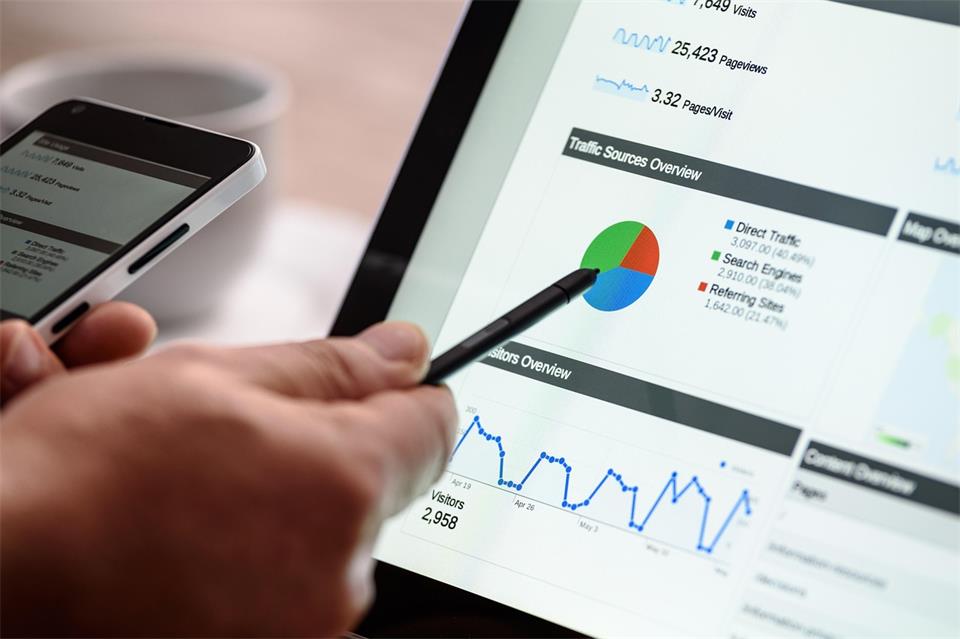
One notable advantage of integrating multiple channels into automated marketing is the potential for improved campaign performance. Advanced analytics provide an understanding of which channels generate the best open rates, click-through rates, or lead conversions, enabling marketers to fine-tune their approach for maximum effectiveness.
Data collected from various channels can be synthesized to create a comprehensive view of the marketing landscape. This holistic perspective is crucial in making informed decisions that can dramatically increase campaign ROI. Moreover, the availability of real-time data allows for agile adjustments to campaigns, ensuring that marketers can quickly adapt to changing market dynamics or consumer behavior.
Measuring campaign performance also means tracking the customer journey from the first touchpoint to the final conversion, noting the roles that different channels and touchpoints play in the process. This level of insight is invaluable in understanding the multifaceted nature of consumer decision-making, guiding future campaigns with higher precision.
In addition, predictive analytics can extrapolate from existing data to forecast future trends and behaviors. Armed with predictive insights, marketers can anticipate the needs and preferences of their target audience, staying a step ahead in their campaign planning.
Altogether, leveraging multi-channel marketing campaigns through automation provides a robust framework for enhancing customer experience and campaign effectiveness. Thus, marketers can maximize the potential of their campaigns, ultimately driving brand growth and customer loyalty.