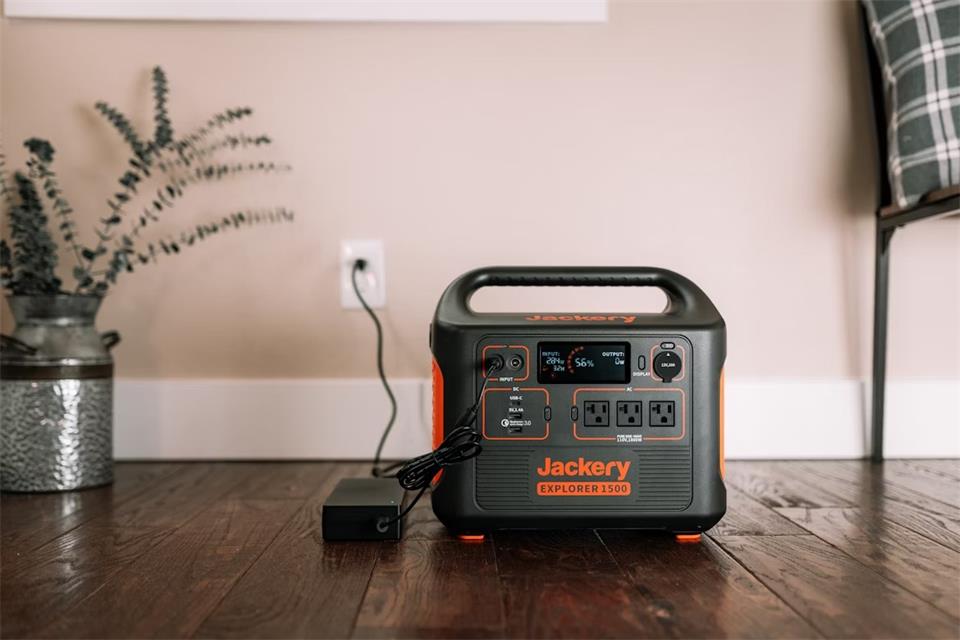
A reliable generator is important for homes and businesses, ensuring access to electricity during outages and emergencies. Like any machinery, generators can suffer from malfunctions that may impede their performance. Identifying these issues is vital to maintaining a generator’s functionality and longevity.
Understanding common problems helps owners take decisive action to keep their units running smoothly. This guide provides easy steps to diagnose generator malfunctions, empowering users with practical knowledge to address potential issues effectively.
Common Problems
Understanding the typical issues that generators face can significantly streamline the diagnosis process. Generators generally have a few common points of failure, including mechanical failures, fuel system issues, and electrical faults.
Mechanical failures can stem from worn components, causing performance loss or failure to start. Fuel system issues like clogged filters or bad fuel can prevent generators from running efficiently, leading to operational interruptions.
Electrical faults, including issues with batteries or circuit boards, can disrupt functionality. Being familiar with these problems helps owners anticipate maintenance needs, reducing downtime and unexpected repair costs. Many generator troubles take various forms, making it important to monitor them regularly to catch potential failures early. Implementing a consistent maintenance schedule can further prevent these issues and ensure reliable generator performance over time.
Initial Safety Checks
Before delving into more complex troubleshooting, it’s crucial to conduct initial safety checks. Start by ensuring that the generator is switched off and disconnected from any electrical sources. Check for visible damage or leaks around the unit that could indicate underlying issues.
Inspect the power cords and connections for fraying or corrosion, which can lead to electrical shorts. Having a capable fire extinguisher nearby is advisable when working with electrical appliances. Always consult the user manual to verify specific safety precautions relevant to your generator model, enhancing safety during the diagnosis process.
Inspecting the Fuel System
The fuel system is one of the most common areas for generator malfunctions. Begin by examining the fuel gauge to assess the fuel level. Insufficient fuel can prevent the generator from starting. Check for fuel leaks, which can signal severe problems that require immediate attention. If fuel is present, inspect fuel filters for blockages that could hinder fuel flow.
Stale or contaminated fuel might be an issue and necessitate draining and refilling the tank with fresh fuel. Examine fuel lines for cracks or clogs that could obstruct normal operation. Addressing fuel system anomalies quickly can prevent more severe engine damage down the line, ensuring reliable generator performance.
Testing the Battery
A functional battery is critical for starting most generators. Test the battery voltage using a multimeter. If the voltage is below the recommended level, recharge or replace it. Ensure that battery terminals are clean and tightly connected, as loose connections can impede power delivery. Inspect for corrosion around terminals, which can hinder performance and may require cleaning with a baking soda and water solution.
If the battery appears damaged or is older than three years, immediate replacement may be prudent. Proper maintenance and regular battery checks contribute to seamless operation during emergencies when immediate power is crucial.
Checking the Oil Levels
Oil is necessary for lubricating the internal components of the generator, ensuring smooth operation. Start by verifying oil levels using the dipstick. Low oil levels can trigger an automatic shutdown feature to prevent engine damage. If oil is low, top it off with the manufacturer-recommended oil type. Examine the oil for signs of contamination or unusual coloration, which can indicate internal issues requiring further investigation.
Regular oil changes, as specified in the user manual, ensure optimal generator function and can extend the unit’s longevity. Keeping the oil clean and at the correct level is vital to maintaining engine health.
Examining Electrical Connections
Electrical connections are fundamental to generator performance and safety. Begin your examination by disconnecting the generator and inspecting all wiring for damage or wear. Loose connections can prevent proper operation and create safety hazards. Look for frayed wiring, burnt connectors, or any signs of arcing that could indicate electrical faults.
Testing connections with a multimeter helps to ensure that electrical flow is uninterrupted and functioning correctly. It’s prudent to consult the manual for part specifications and any recommended periodic checks. Regular inspections of electrical components will enhance safety and prevent malfunctions that could leave you without power.
Running a Load Test
A load test evaluates the generator’s ability to handle its rated capacity under operational conditions. To conduct a load test, connect the generator to an appropriate load and run it for a specific duration while monitoring performance. During the test, observe for fluctuations in voltage or frequency, which may indicate underlying issues.
Ensure that all connections are secure and that the generator operates within its rated limits. This test helps identify potential failures when the generator is under stress, allowing for timely repairs. Regular load testing certainly confirms the unit’s reliability and readiness when it’s needed most.
Seeking Professional Help
While many common issues can be diagnosed independently, certain complexities may require professional attention. If your troubleshooting efforts do not yield results, consider consulting with a certified technician. Professionals can conduct more specialized diagnostics, utilize advanced diagnostic tools, and provide solutions effectively.
It’s important to choose a reputable company with experience in handling the specific brand and model of your generator to ensure comprehensive service. Regular professional maintenance checks can prolong the life of the generator, identifying problems before they escalate. Investing in expert help when necessary safeguards the generator’s performance and your peace of mind.
Documenting Maintenance and Repairs
Keeping a maintenance log for your generator is a vital aspect of ownership. Documenting all repairs, parts replacements, and maintenance activities allows you to track the generator’s health over time. This history can inform future repairs and maintenance scheduling, identifying patterns that may indicate recurring problems.
A detailed maintenance record can enhance communication with service technicians, providing crucial context when seeking professional assistance. Regular updates to your documentation can foster a proactive maintenance approach, minimizing operational disruptions and saving time and resources in the long run.
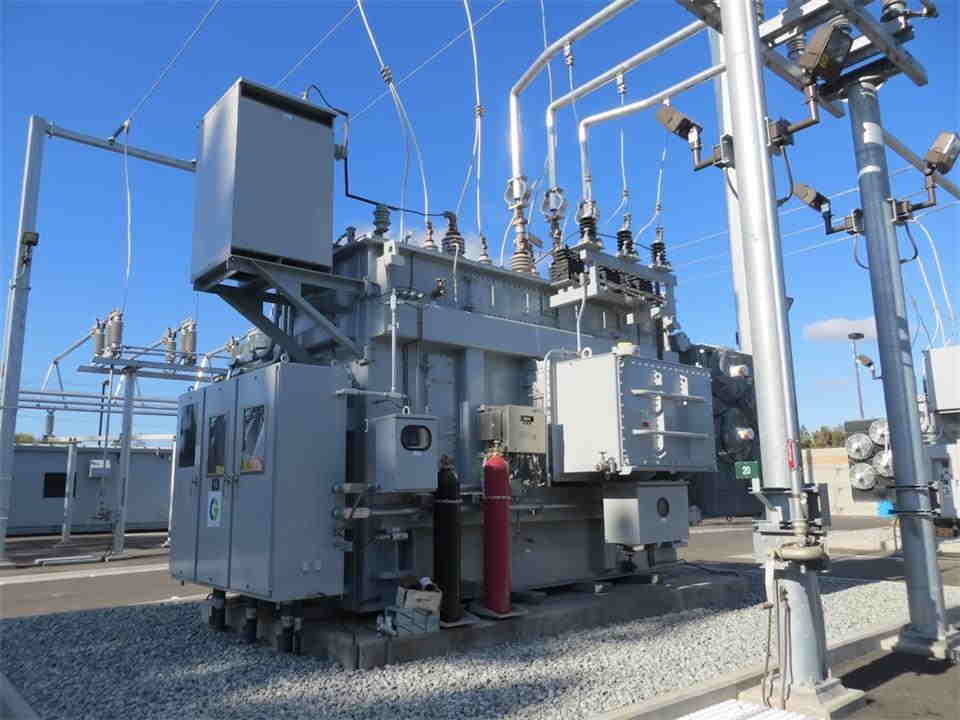
Diagnosing generator malfunctions can often seem daunting, but understanding the issues and their solutions will empower users to maintain reliable power sources. Identifying problems early ensures owners remain prepared and reduces downtime when power is needed most.
Regular checks, maintenance, and professional support create a strong foundation for problem-free operation.