
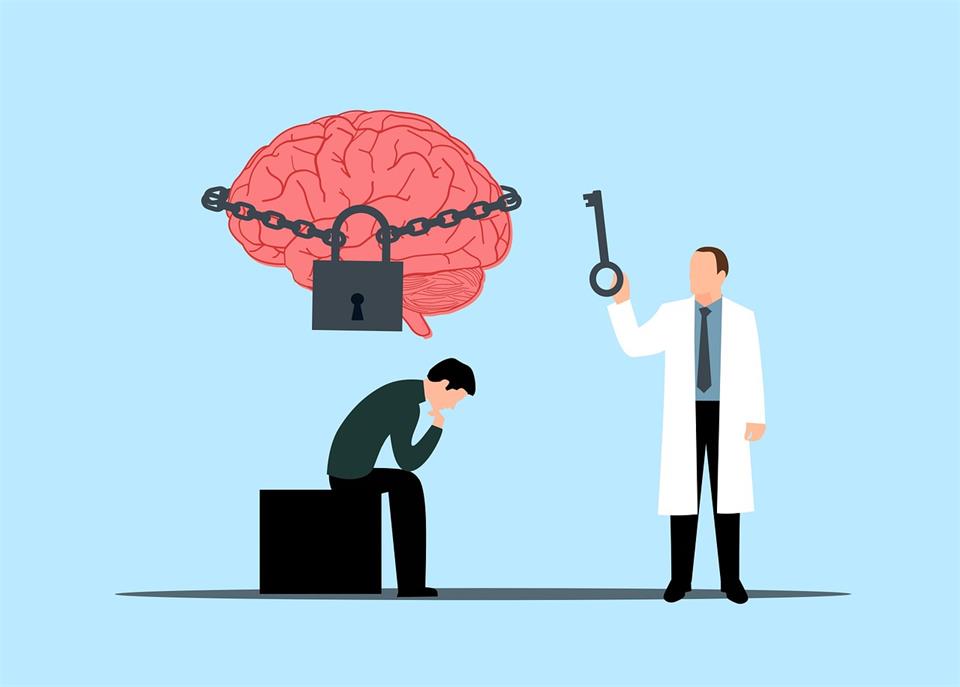
Mental health treatment has evolved significantly in recent decades, shaped by scientific research, technological advancements, and a growing understanding of human psychology. Traditional approaches, ranging from cultural practices to long-standing therapeutic methods, continue to offer valuable perspectives.
Rather than treating modern and traditional methods as separate or competing frameworks, many practitioners are now exploring ways to blend them for more holistic care. This fusion recognizes that mental well-being involves biological, psychological, social, and cultural factors that work together in complex ways.
Understanding the Value of Integrative Models
Bridging the gap between clinical science and traditional methods involves recognizing the strengths of each. Modern research brings evidence-based treatments, standardized protocols, and measurable outcomes. Traditional insight offers cultural understanding, personalized wisdom, and practices that have supported communities for generations.
Combining these perspectives provides a more complete view of mental health. Many practitioners are adopting an integrative approach that blends scientifically validated therapies with traditional frameworks.
This might include pairing cognitive-behavioral therapy with mindfulness techniques rooted in ancient practices, or combining pharmacological treatments with community-based healing rituals.
By doing so, clinicians can address both the measurable symptoms of mental health conditions and the deeper cultural, emotional, and spiritual needs of their patients.
Recognizing the Role of Culture and History
Traditional practices are often deeply tied to cultural heritage, shaping how communities understand and respond to mental health challenges. Rituals, storytelling, and communal gatherings have historically provided support systems that address emotional struggles within a shared cultural context.
Recognizing these traditions is crucial, particularly in multicultural societies where standardized Western approaches may not fully resonate with everyone.
Cultural competence in mental health care involves understanding a patient’s background and incorporating their beliefs and values into treatment plans.
For example, integrating spiritual practices, ancestral wisdom, or culturally specific coping mechanisms can help patients feel seen and respected. This improves engagement and can lead to better outcomes by aligning treatment with personal identity and values.
Advancements in Neuroscience and Psychological Research
Modern neuroscience has expanded our understanding of how the brain responds to therapy, medication, and environmental influences. Research on neural plasticity has shown that the brain can change and adapt through experiences, supporting the effectiveness of therapeutic interventions.
Psychological research has refined techniques like exposure therapy, dialectical behavior therapy, and acceptance-based approaches, allowing for targeted, evidence-based care.
These advancements highlight the importance of holistic approaches. Brain imaging studies, for example, have demonstrated how meditation and mindfulness practices, often derived from traditional spiritual teachings, affect brain regions associated with attention, emotion regulation, and stress response.
By understanding these mechanisms, clinicians can better integrate traditional methods into treatment in ways that are both culturally sensitive and scientifically grounded.
The Growing Role of Mind-Body Practices
Mind-body practices represent one of the most successful intersections of modern research and traditional wisdom. Techniques such as yoga, tai chi, meditation, and breathing exercises have roots in ancient traditions but are now widely studied for their mental health benefits.
Research has shown that these practices can reduce symptoms of anxiety and depression, improve focus, and promote emotional regulation.
In clinical settings, mind-body practices are often used alongside traditional therapies to support relaxation, self-awareness, and resilience. This dual approach acknowledges that mental health is not confined to the brain alone, it is deeply connected to physical health, nervous system regulation, and lifestyle.
By weaving mind-body practices into treatment, patients gain tools they can use independently, empowering them to take an active role in their well-being.
Collaboration Between Practitioners
Effective integration requires collaboration between different types of practitioners. Psychiatrists, psychologists, social workers, spiritual leaders, and traditional healers each bring valuable perspectives and skills. When these professionals work together, they can create treatment plans that are both evidence-based and culturally meaningful.
Collaborative models might involve multidisciplinary teams in clinical settings or partnerships between community leaders and mental health organizations. This teamwork fosters trust, increases accessibility, and ensures that patients receive care that respects both their cultural identity and their clinical needs.
Such collaborations encourage the exchange of knowledge, strengthening both modern and traditional approaches through shared learning.
Moving Toward Holistic Mental Health Care
The future of mental health care lies in approaches that view individuals as whole beings rather than collections of symptoms. Integrating modern research with traditional insight allows for treatments that are scientifically sound, culturally respectful, and personally meaningful.
This holistic vision acknowledges that mental well-being is influenced by a wide range of factors, from neural activity and psychological patterns to community, culture, and personal history.
Policymakers, educators, and practitioners are beginning to support integrative models through training programs, research initiatives, and community partnerships. By encouraging dialogue between modern science and traditional knowledge systems, mental health care can become more inclusive, effective, and adaptable to diverse populations.

Fusing modern research with traditional insight in mental health represents a meaningful step toward more comprehensive and compassionate care. By embracing both evidence-based practices and cultural wisdom, practitioners can offer treatments that address the full spectrum of human experience.
This approach improves clinical outcomes and fosters trust, respect, and empowerment for individuals seeking support on their mental health journey.