
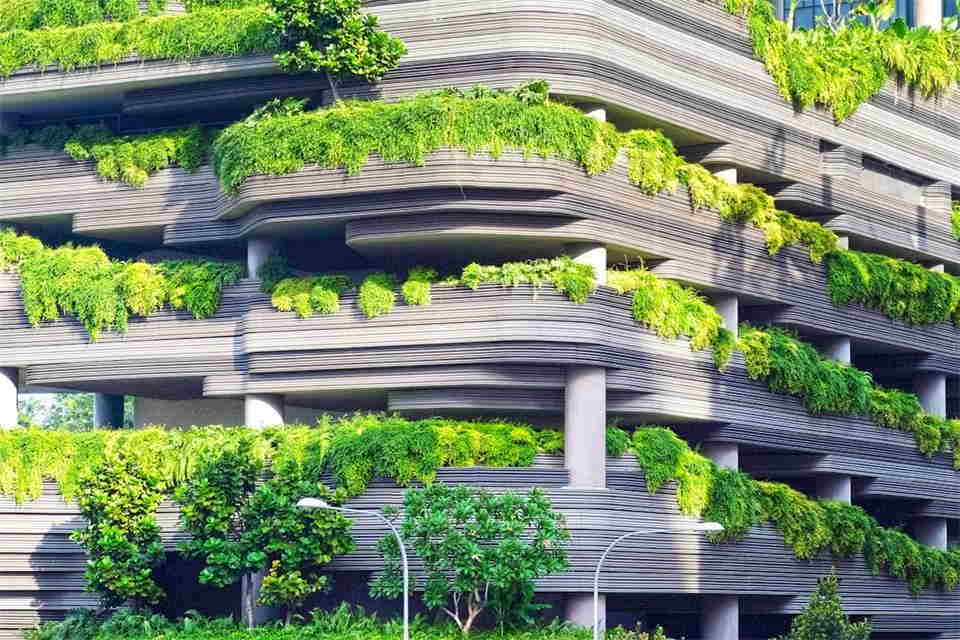
Green building practices focus on designing, constructing, and operating buildings in ways that minimize environmental impact while improving efficiency. These strategies conserve energy, reduce waste, and create healthier spaces for occupants.
Architects, developers, and property owners adopt these methods to meet sustainability goals and achieve long-term operational savings. Thoughtful planning and material selection play a central role in these efforts, transforming buildings into efficient, resilient assets.
Integrating Energy-Efficient Design Principles
Energy-efficient design begins during the earliest planning stages. Architects position buildings to take advantage of natural light, reducing reliance on artificial lighting during the day. Proper orientation also supports passive heating and cooling strategies, where sunlight warms interiors in winter and shading elements block heat in summer.
High-performance windows, tight building envelopes, and strategic ventilation help maintain stable indoor temperatures with less mechanical input.
Designers use advanced modeling tools to simulate energy performance before construction begins. These simulations identify opportunities to improve insulation, airflow, and lighting layouts. Early integration of energy principles ensures that structures perform efficiently without costly retrofits later.
Choosing Sustainable Materials
Material selection influences both the environmental footprint and long-term performance of a building. Using renewable and responsibly sourced products reduces the strain on natural ecosystems.
Builders who prioritize sustainable wood contribute to forest preservation and support supply chains that follow ethical practices. Recycled steel, reclaimed bricks, and low-impact concrete alternatives further decrease embodied energy in construction.
Durable materials extend building lifespans and reduce replacement frequency, conserving resources over decades. Non-toxic finishes improve indoor air quality, benefiting occupants and maintenance teams alike. Selecting materials with low environmental impact sets the foundation for a structure’s overall sustainability profile.
Water Conservation Measures
Reducing water usage contributes significantly to sustainable building goals. Low-flow fixtures, dual-flush toilets, and efficient irrigation systems cut consumption without sacrificing functionality.
Greywater recycling systems capture lightly used water from sinks and showers for landscape irrigation or toilet flushing. Rainwater harvesting further supplements supply, reducing dependence on municipal sources.
Landscape planning supports these measures through drought-resistant plants and permeable surfaces that allow groundwater recharge. Thoughtful water strategies conserve resources while maintaining the functionality and aesthetics of the property.
Renewable Energy Integration
Renewable energy systems complement energy-efficient designs by supplying clean power on-site. Solar panels, small wind turbines, and geothermal systems reduce reliance on fossil fuels. Net metering arrangements allow buildings to feed excess energy back into the grid, offsetting costs and lowering overall demand.
Positioning renewable systems correctly maximizes their output. Roof angles, shading patterns, and local climate conditions determine performance levels. Integrating these technologies during design stages avoids costly retrofitting and aligns energy generation with overall building goals.
Indoor Environmental Quality Enhancements
Green buildings focus on creating healthier indoor environments through air quality, lighting, and acoustics. Proper ventilation systems filter pollutants and provide steady air exchanges. Natural light supports occupant well-being while reducing energy use. Low-VOC paints, adhesives, and finishes minimize harmful emissions, improving comfort for residents and workers.
Daylighting strategies bring sunlight deeper into interiors without causing glare, reducing dependence on electric lighting. Acoustic design controls unwanted noise, creating spaces that support concentration, productivity, and relaxation. These factors contribute to both energy efficiency and occupant satisfaction.
Waste Reduction During Construction
Construction generates significant waste, much of which can be diverted through careful planning. Separating recyclable materials, reusing on-site resources, and working with suppliers that offer take-back programs reduce landfill contributions. Modular construction techniques minimize offcuts and support more precise material use.
Planning logistics to match delivery schedules with construction needs prevents excess material storage and damage. Waste-conscious building practices lower disposal costs and contribute to cleaner job sites that operate more efficiently.
Smart Technology For Ongoing Efficiency
Technology extends sustainability efforts beyond construction. Smart systems monitor and adjust building operations in real time. Sensors track temperature, humidity, lighting levels, and energy consumption, allowing automated systems to optimize performance.
Building managers access dashboards that display data trends, helping them identify inefficiencies and address issues quickly.
Adaptive control systems adjust HVAC settings, lighting, and water usage based on occupancy patterns. This dynamic management approach minimizes waste while maintaining comfort and functionality for users.
Long-Term Maintenance Strategies
Green buildings require thoughtful maintenance to sustain their performance. Scheduled inspections of insulation, mechanical systems, and renewable installations preserve efficiency gains.
Replacing filters, calibrating sensors, and sealing air leaks prevent performance decline over time. Maintenance teams trained in sustainable practices manage resources more effectively and extend equipment lifespans. Additionally, businesses can opt for equipment rental as a flexible solution, reducing upfront costs and ensuring access to the latest, most energy-efficient models without the burden of long-term ownership. This approach can also help reduce the environmental impact by minimizing waste and optimizing resource use.
Owners who track maintenance data gain insights into long-term performance trends. Predictive maintenance reduces unexpected failures and ensures that systems continue to operate at peak efficiency, supporting both financial and environmental goals.
Economic And Environmental Benefits
Energy-efficient buildings reduce utility costs, making them financially attractive for owners and tenants. Lower energy consumption decreases greenhouse gas emissions, contributing to broader climate goals. Many governments offer tax incentives, grants, or certification programs for sustainable buildings, further improving financial returns.
Increased property value often accompanies these investments. Tenants and buyers increasingly seek spaces that reflect sustainable values, creating competitive advantages in the real estate market. These structures stand out as forward-thinking, resilient investments that deliver tangible benefits across decades.
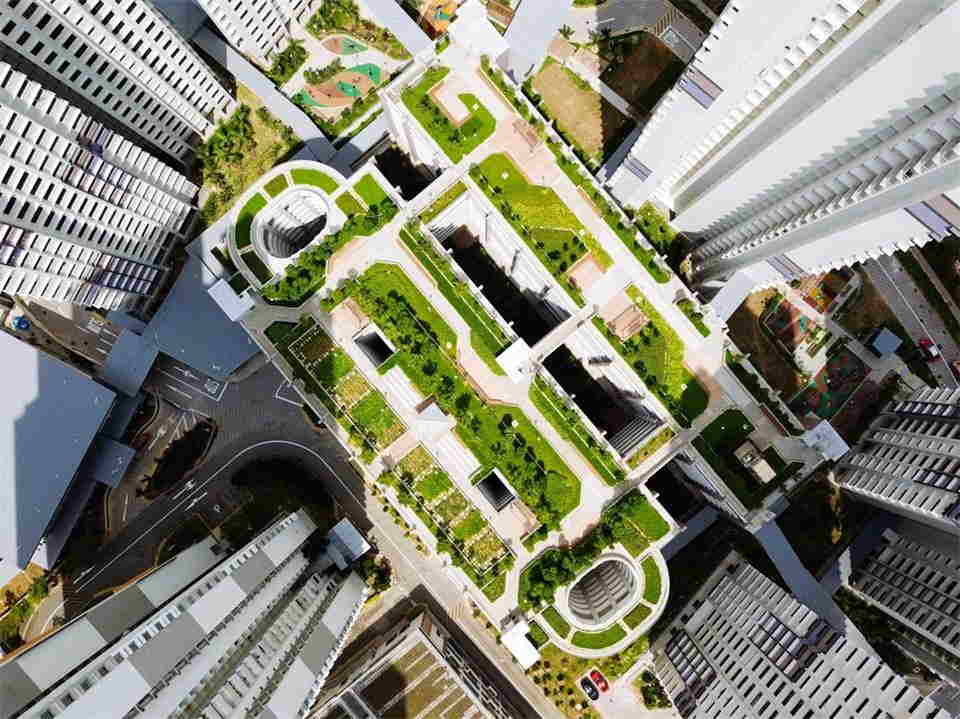
Green building practices transform how structures consume resources and interact with their surroundings. Thoughtful design, responsible material choices, renewable energy integration, and smart management strategies reduce energy use while supporting occupant well-being.
Long-term planning ensures that efficiency gains persist throughout a building’s life. Through sustainable approaches, developers and owners create buildings that conserve resources, cut costs, and contribute positively to communities and the environment.