
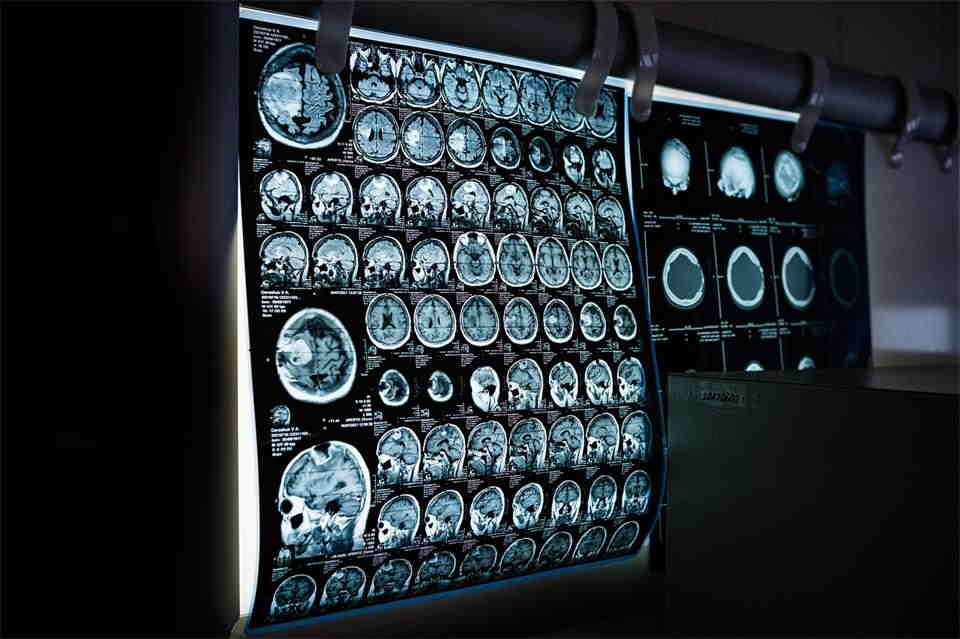
In the process of developing new medicines and therapies, the pathway from laboratory discovery to human trials is complex and often fraught with challenges. One critical tool that has significantly enhanced this process is preclinical imaging.
By providing detailed, non-invasive insights into biological processes in living organisms, preclinical imaging bridges the gap between early research and human clinical trials, enabling more effective and efficient drug development.
What is Preclinical Imaging?
Preclinical imaging refers to a set of advanced imaging techniques used to study animal models, primarily rodents, in the early stages of drug discovery and development. These techniques include modalities such as magnetic resonance imaging (MRI), positron emission tomography (PET), computed tomography (CT), ultrasound, and optical imaging.
These technologies allow researchers to visualize anatomical structures, monitor physiological changes, and track molecular and cellular activity in vivo over time.
Unlike traditional methods that require sacrificing animals at various time points for tissue analysis, preclinical imaging enables longitudinal studies within the same subject. This results in more precise data, fewer animals used, and a better understanding of the dynamics of disease progression and therapeutic response.
The Role of Preclinical Imaging in Drug Development
One of the biggest challenges in drug development is predicting how a compound will behave in humans based on animal data. Preclinical imaging plays a pivotal role by providing translational biomarkers, measurable indicators that are relevant both in animals and humans.
These biomarkers help researchers evaluate the safety, efficacy, and pharmacodynamics of drug candidates more reliably.
For example, PET imaging can visualize the binding of a drug to its target receptor in the brain or other organs, while MRI can detect structural changes related to disease or therapy. This helps pharmaceutical scientists optimize dosing regimens and select the most promising candidates for further development.
Improving Human Trial Design and Outcomes
By integrating preclinical imaging data into the drug development pipeline, researchers can design more effective and focused human clinical trials. Here’s how preclinical imaging contributes to improved trial outcomes:
- Better Target Validation
Before testing a drug in humans, it is crucial to confirm that the therapeutic target is relevant and accessible in the disease context. Preclinical imaging can visualize target engagement and distribution in vivo, reducing the risk of failure in later-stage trials. - Optimizing Dosage and Scheduling
Imaging enables researchers to monitor the pharmacokinetics (how the drug moves through the body) and pharmacodynamics (the drug’s effects on the body) in real time. This information guides dosage selection and scheduling, minimizing toxicity while maximizing efficacy. - Early Detection of Drug Toxicity
Safety is paramount in human trials. Preclinical imaging can reveal early signs of organ toxicity or adverse effects before clinical symptoms appear. This early warning helps prevent costly trial failures and ensures patient safety. - Patient Stratification and Personalized Medicine
Some therapies work better in certain subpopulations of patients. Imaging biomarkers discovered in preclinical studies can be translated into human trials to identify which patients are most likely to respond, enabling personalized treatment approaches. - Reducing Trial Size and Duration
By providing more precise biomarkers and endpoints, imaging can reduce the number of participants needed and shorten trial timelines. This accelerates the time it takes for a drug to reach the market and benefits patients awaiting new treatments.
The Future of Preclinical Imaging in Human Trials
As technology advances, preclinical imaging continues to evolve. Multimodal imaging, which combines two or more imaging techniques, offers even richer data about disease mechanisms and treatment effects.
Machine learning and artificial intelligence are being applied to analyze complex imaging datasets, uncovering subtle patterns that might be missed by human observers.
Additionally, companies specializing in preclinical imaging services, such as Perceptive, are driving innovation by providing cutting-edge imaging solutions tailored to pharmaceutical and biotechnology clients.
These specialized providers enable researchers to harness the full potential of preclinical imaging, ensuring that only the most promising therapies progress into human trials.
Conclusion
Preclinical imaging is more than just a research tool; it is a cornerstone of modern drug development that directly impacts the success of human clinical trials. By offering unparalleled insights into drug behavior and disease biology, preclinical imaging reduces risks, improves trial design, and accelerates the delivery of new medicines to patients.
As the industry continues to embrace these technologies, the future of clinical trials looks more precise, efficient, and patient-focused than ever before.