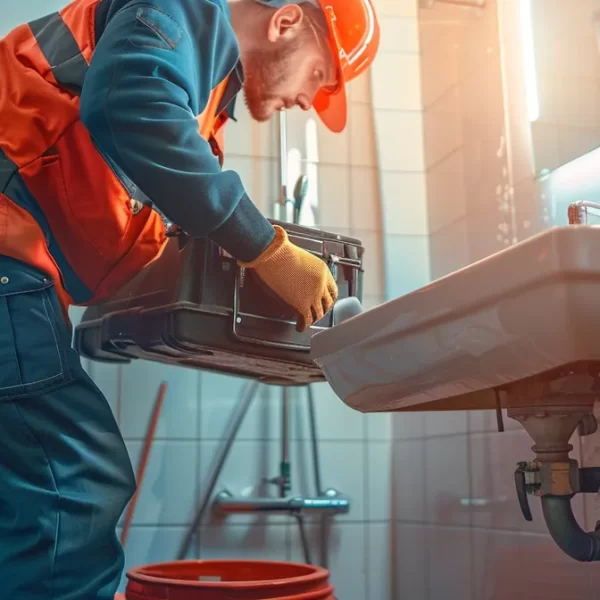
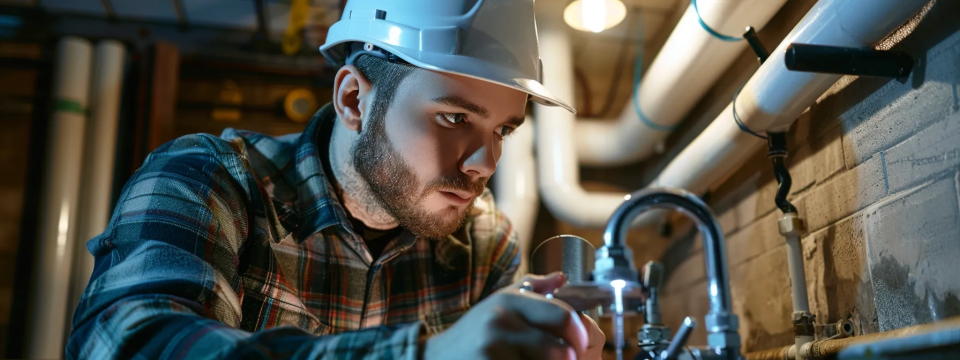
Leaks within a plumbing system can manifest as minor drips or major ruptures, both of which can lead to substantial repair costs and potential water damage. In fact, households can waste approximately 10,000 gallons of water annually due to leaks, which can inflate utility bills and strain water resources. Plumber services are essential to rectify such issues.
By understanding the benefits of regular plumbing maintenance, homeowners can preemptively tackle issues that could lead to costly leaks. Below, we’ll explore strategies for identifying, preventing, and addressing common plumbing challenges to help you save money and maintain a functional and efficient home plumbing system.
Recognizing Early Signs of Plumbing Issues to Prevent Leaks
Timely recognition of plumbing issues is pivotal in preventing extensive damage and expensive leaks. Symptoms such as reduced water pressure, discolored water, or unusual noises can be early indicators of a compromised system. Homeowners should be alert to these signs as they can reveal issues before they escalate.
For instance, unusual noises in your pipes could indicate air pockets or obstructions that, if left unchecked, could pressure the pipes into leaking. Discolored water, particularly if it’s rusty or has a brown tint, could signal pipe corrosion that may ultimately lead to leaks. Regularly checking for these symptoms allows for early intervention and repair.
Maintaining vigilance with small changes in your plumbing system’s behavior enables you to call in a professional before minor issues worsen. Scheduling an inspection upon detecting these signs can help prevent the occurrence of leaks, saving you from the hassle and expense of emergency repairs.
How Regular Plumbing Inspections Save You Money in the Long Run
Investing in regular plumbing inspections is an indispensable practice for identifying potential leaks and issues before they become serious. These inspections are essential in extending the lifespan of your plumbing infrastructure and conserving water, thereby safeguarding against costly emergencies and utility waste.
A survey by the American Water Works Association discovered that proactive leak detection can save homeowners up to 10% on their water bills. During a professional inspection, plumbers can spot hidden leaks, corrosion, or wear and tear that may not be immediately obvious to an untrained eye, thus preventing larger problems.
Homeowners should schedule at least an annual plumbing inspection to ensure systems run smoothly. This regular scrutiny can unearth minor issues that can be fixed promptly at a lower cost, rather than waiting until a costly breakdown occurs.
Implementing Preventative Maintenance Practices for Home Plumbing Systems
Implementing a routine of preventative maintenance can significantly enhance the longevity and reliability of home plumbing systems. Such practices act as a safeguard, mitigating the risk of unexpected leaks and the associated repair costs.
Effective preventative measures include regularly cleaning out drains to prevent blockages, monitoring water pressure for irregularities, and ensuring that pipes are properly insulated against cold weather to prevent freezing and bursting. Moreover, periodic replacement of worn fixture such as washers and seals can keep connections tight and leak-free. Fix-a-Leak Week by the EPA is an annual event encouraging such routine checks and maintenance.
To make the most of preventative maintenance, homeowners can create a checklist or schedule for tasks that need to be regularly performed. Consider also learning basic plumbing first aid to temporarily manage minor leaks until professional help arrives.
Addressing Common Plumbing Problems Before They Escalate
Addressing standard plumbing problems immediately upon detection can avert their evolution into more complicated and expensive repairs. Common issues like dripping faucets, running toilets, and slow drains are often symptomatic of larger concerns within the plumbing system.
For example, a continuously running toilet could signal a defective flapper valve or an improperly adjusted float, which not only wastes water but may stress other components.
Tackling such issues with swift repairs prevents further damage and can result in substantial water and financial savings. Plumbing repair costs can be minimized by addressing problems when they’re still minor.
Maintaining an active role in your home’s plumbing health by regularly checking for signs of wear and responding to issues promptly is key. Should a problem arise that’s beyond your skillset, contacting a skilled plumber as soon as possible is always the best course of action.
Overall, the proverbial stitch in time when it comes to plumbing maintenance can indeed save nine—or rather, thousands of dollars in water damage to your home. Regular plumbing maintenance and early leak detection work in tandem to avoid the escalation of common plumbing problems.
By recognizing the early signs of leaks, conducting regular inspections, implementing preventative practices, and addressing minor issues before they become critical, homeowners can manage their plumbing systems more effectively and save substantial amounts of money and resources in the long run.