
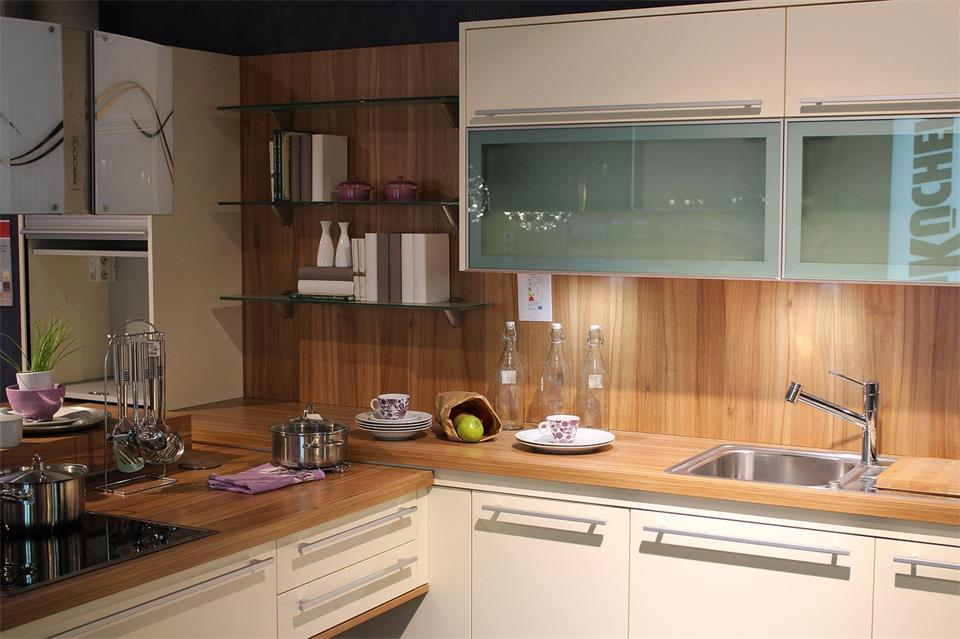
Kitchen renovations come with endless opportunities to spend money, and the pressure to choose premium options at every turn can quickly balloon budgets beyond reason. But here’s the thing – not all quality investments deliver equal returns.
Some premium choices genuinely improve daily life and hold their value over years of use, while others provide marginal benefits that don’t justify their cost premium. Understanding which upgrades actually pay back helps create kitchens that perform well long-term without wasting resources on features that sound impressive but don’t deliver proportional value.
The challenge is separating marketing from reality. Sales pitches make everything sound essential. Showrooms display the most expensive options as standard. Design magazines feature kitchens with unlimited budgets.
Meanwhile, most people need to make strategic choices about where premium spending makes sense and where good-quality standard options work perfectly fine. The difference between wise investment and wasteful spending often isn’t obvious until years later when some choices prove their worth while others reveal themselves as expensive mistakes.
Mechanical Systems That Get Used Constantly
Cabinet hardware takes abuse that few other kitchen components experience. Drawers open and close multiple times daily. Cabinet doors swing constantly. This mechanical stress means that hardware quality directly affects both immediate function and long-term durability in ways that are immediately noticeable to anyone using the kitchen regularly.
Budget hardware fails predictably – slides stick, hinges sag, soft-close mechanisms quit working. These failures create daily frustration and often require replacement within a few years. Premium hardware operates smoothly from installation and maintains that performance through decades of heavy use.
The engineering behind quality drawer systems justifies their cost through superior load capacity, smoother operation, and genuine durability.
Advanced options with features such as blum legrabox demonstrate how proper mechanical design handles substantial weight while maintaining effortless movement, which becomes crucial when storing heavy cookware, small appliances, or bulk supplies. This isn’t about brand prestige – it’s about mechanical reliability that holds up under real-world demands.
This is one area where premium investment pays back clearly. The difference in daily operation is noticeable immediately and the extended lifespan means avoiding costly replacements down the road. Hardware quality is invisible when it works well but impossible to ignore when it fails.
Countertop Materials That Handle Reality
Countertops take constant abuse – hot pots, knife work, spills, impacts, and daily cleaning. Material choice affects both durability and maintenance requirements over the kitchen’s lifetime. Some premium materials earn their cost while others create more problems than they solve.
Quartz engineered stone costs more than laminate but requires essentially no maintenance while resisting stains, scratches, and heat better. Over fifteen years, the performance difference is significant. Laminate works fine for light use but shows wear faster under demanding conditions.
Natural stone like granite or marble occupies an interesting middle ground. Granite performs well and requires minimal maintenance when properly sealed. Marble looks beautiful but stains easily and requires careful maintenance – premium cost without proportional durability for typical kitchen use.
Solid surface materials like Corian offer good performance at mid-range pricing. They’re not indestructible but scratches and burns can be sanded out, effectively making them renewable. For kitchens with moderate budgets, they deliver solid value.
The key is matching material to actual use patterns. A family that cooks frequently and uses counters hard benefits from premium durable materials. Light users might not see enough benefit to justify the premium.
Appliance Quality vs. Features
Appliances represent major kitchen expenses, and prices range dramatically even for the same basic function. A refrigerator might cost $800 or $8,000. Are the expensive ones worth it?
Sometimes yes, often no. Build quality matters – better compressors, improved insulation, superior temperature control. These affect performance and longevity. A well-built mid-range appliance often outperforms a feature-loaded budget model.
But premium appliances often include features that sound great but get used rarely. A refrigerator with a built-in coffee maker or television adds cost and complexity without improving its core function of keeping food cold. A range with a dozen cooking modes mostly duplicates capability most people won’t use.
The sweet spot usually sits in the upper-mid-range – brands known for reliability and good warranty support but without excessive features. Professional-grade appliances suit serious cooks but are overkill for typical home use. Their power and capacity exceed what most kitchens need while their maintenance requirements and operating costs run higher.
Sink and Faucet Selection
Sinks and faucets see constant use, making quality important. But the range of pricing often reflects aesthetics more than actual performance differences.
Undermount stainless sinks in 16 or 18 gauge steel perform well and last essentially forever at moderate cost. Super-premium sinks in exotic materials or special finishes cost dramatically more without proportional functional improvement. They might look different, but they don’t wash dishes any better.
Faucet quality matters more. Cheap faucets develop leaks, lose finish, and fail within a few years. Quality faucets with ceramic disc valves rarely leak and maintain smooth operation for decades. The cost difference is usually $200-400 – worth it for daily reliability.
Here’s where features sometimes justify cost. Pull-down sprayers with magnetic docking genuinely improve function. Touchless operation helps when hands are messy. These aren’t just gimmicks – they address real use cases. But twelve spray patterns and LED lighting? That’s marketing, not meaningful function.
Lighting Investment That Transforms Use
Kitchen lighting deserves quality investment because it affects both function and ambiance every time the kitchen gets used. This doesn’t mean expensive fixtures necessarily – it means thoughtful planning and adequate coverage.
Under-cabinet LED strips cost little but make enormous functional difference. Task lighting eliminates shadows on counters where food prep happens. This is high-value spending that improves actual use.
Quality dimmer switches and separate circuit control for different lighting zones adds modest cost but provides flexibility for different activities and times of day. Bright lighting for cooking, softer lighting for dining or entertaining – the same fixtures serve multiple needs through proper control.
Fixture cost matters less than placement and coverage. Moderately priced recessed cans placed thoughtfully outperform expensive pendants that create pools of light with dark areas between. Function first, aesthetics second.
Flooring That Survives Kitchen Life
Kitchen floors take punishment – spills, dropped items, constant traffic, chairs scraping. Material choice affects both immediate maintenance and long-term durability.
Quality vinyl plank flooring performs remarkably well at reasonable cost. Modern versions look convincing, handle water without damage, and resist scratching better than many premium options. For budget-conscious renovations, this represents excellent value.
Tile flooring lasts essentially forever but requires good installation and appropriate grout. Cheap tile poorly installed performs worse than quality vinyl properly laid. The installation matters as much as the material.
Hardwood looks beautiful but requires more maintenance in kitchens. Water damage is a real risk. Engineered hardwood offers better moisture resistance while maintaining appearance. For those committed to wood flooring, the engineered version justifies its premium over solid hardwood in kitchen applications.
Cabinet Box Quality Over Door Style
Cabinet doors get attention because they’re visible, but cabinet box construction determines actual durability and function. Plywood boxes with quality joinery outlast particleboard boxes regardless of door style.
This is where spending on quality that isn’t immediately visible pays back over time. Solid construction handles the weight of dishes, pots, and appliances without sagging. Quality boxes accept hardware upgrades if needed years later. Cheap boxes fail structurally, forcing complete cabinet replacement even when doors remain fine.
Door and drawer fronts can be upgraded or painted later. The box structure can’t be economically improved after installation. Investing in solid construction while choosing simpler door styles allows budget flexibility for visible finishes while ensuring core quality.
Strategic Quality Investment
The pattern becomes clear – invest in mechanical systems and structural elements that affect daily function and long-term durability. These components work constantly, take abuse, and determine whether kitchens remain satisfying or become frustrating over time.
Surface aesthetics and specialized features matter less. They’re more about personal preference than function. Spending extra on appearance makes sense only after ensuring core quality in the functional elements that determine actual performance.
Kitchen quality that pays back focuses on the components that either get used constantly or determine longevity. Everything else is personal choice rather than objective value.