Businesses are continually seeking innovative ways to improve fleet operations. Digital tools and technologies have become key in enhancing monitoring capabilities, boosting efficiency, and ensuring safety across fleet management.
By leveraging modern solutions, companies can optimize their operational processes and respond more effectively to the ever-changing demands of the marketplace. This article explores various modern tools that are transforming fleet monitoring and achieving remarkable operational success.
The Backbone of Fleet Monitoring
Telematics technology has revolutionized how fleet managers track, monitor, and analyze vehicle performance.
Equipped with GPS devices and software, telematics systems gather real-time data related to a vehicle’s location, speed, fuel consumption, and maintenance needs. This wealth of information allows fleet operators to identify inefficiencies and enhance productivity while reducing costs.
Studies show that implementing telematics can lead to a twenty-five percent reduction in fuel consumption. Fleet managers can analyze the data captured by telematics to make informed decisions, such as optimizing routes and scheduling maintenance more effectively.
Addressing issues before they become significant problems can save time, money, and resources, contributing to a sustainable competitive advantage in the industry.
Advanced Route Optimization Software
Route optimization software is another tool that enhances fleet monitoring. It enables fleet managers to determine the most efficient routes based on real-time traffic data, weather conditions, and delivery schedules. This type of software helps minimize delays and reduce fuel consumption, leading to cost savings.
Improving route efficiency can decrease fuel costs by up to twelve percent. By rerouting vehicles and providing drivers with turn-by-turn GPS navigation, fleet managers can ensure timely deliveries while improving customer satisfaction.
This protects the bottom line and aids in positioning a fleet provider as a reliable and trustworthy partner in the logistics ecosystem.
Dash Cams for Enhanced Safety and Security
Another modern tool crucial for fleet monitoring is the integration of dash cams into vehicles. These cameras improve driver accountability and provide real-time insights into driving behavior, accidents, and the surrounding environment.
With video footage readily available, fleet operators can review incidents accurately and tackle driver safety issues effectively. Utilizing a dash cam for truckers significantly reduces liability claims while promoting safer driving habits across the fleet.
Dash cams offer additional benefits by aiding in training new drivers and addressing behavioral changes among experienced operators. Establishing clear expectations around safe driving practices is vital for maintaining a culture of safety within a fleet.
Incorporating dash cam technology encourages open dialogues about driving performance and helps ensure that every driver adheres to organizational standards.
Machine Learning and Predictive Analytics
Incidents can happen without warning. Predictive analytics can help fleet operators prepare for potential disruptions.
By analyzing historical data, machine learning algorithms can identify trends and patterns to predict equipment failures, driver performance issues, and potential safety hazards. This led to proactive decision-making and fostered a safety-first culture within operations.
Using machine learning to forecast vehicle maintenance schedules can extend the lifespan of vehicles while preventing unexpected downtime. Fleet managers are empowered to allocate resources more efficiently while enhancing productivity through informed strategies.
By integrating predictive analytics into their operations, fleets can ensure optimal performance while maintaining a strong focus on employee safety.
Mobile Apps for Driver Communication
With the growth of mobile technology, communication tools have become indispensable for enhancing fleet operations. Mobile apps facilitate real-time interactions among drivers, fleet managers, and support staff. Drivers can easily receive route updates, maintenance alerts, and safety instructions, ensuring they remain informed and connected while on the road.
Effective communication through mobile apps can improve on-time delivery rates by as much as twenty-five percent. Increased engagement among fleet members creates a more cohesive working environment and fosters stronger relationships among all stakeholders.
Investing in mobile communication tools translates to elevated business success and customer satisfaction.
Real-Time Analytics for Informed Decision Making
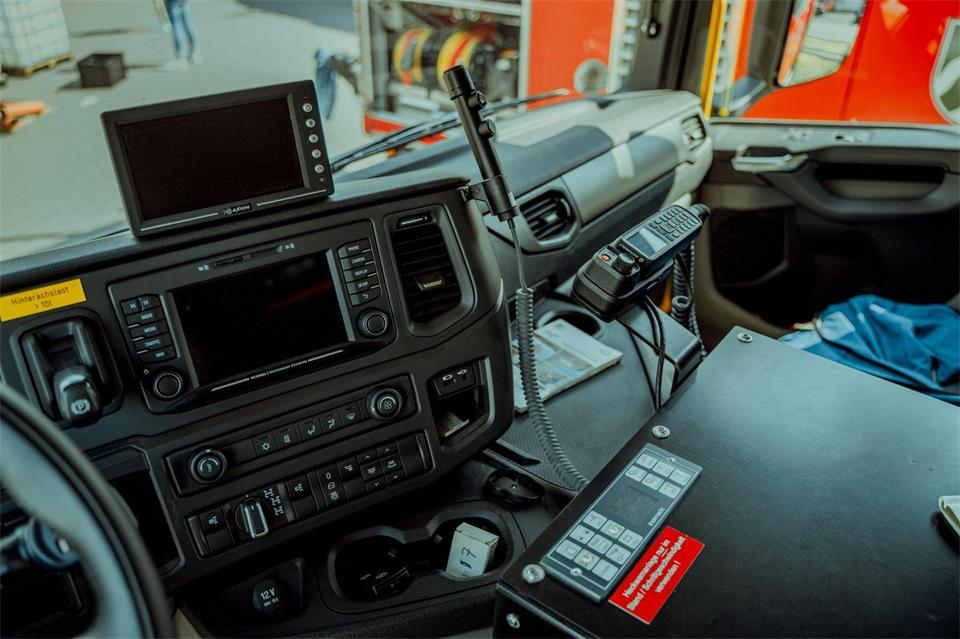
Real-time data analytics tools have emerged as important in contemporary fleet management. By processing vehicle and operational data, fleet managers can gain actionable insights for improving efficiency and addressing challenges before they escalate.
Harnessing the power of real-time analytics equips decision-makers with the information needed to maintain a competitive edge while increasing performance.
By monitoring key performance indicators (KPIs) in real-time, fleet managers can swiftly identify areas that require attention.
This level of oversight ensures that resources are appropriately allocated and enables quick adaptations to changing circumstances. Leveraging real-time analytics cultivates an environment of continuous improvement across the fleet.
Investing in modern tools for fleet monitoring has become important for achieving operational success. With the integration of telematics, route optimization software, dash cams for truckers, predictive analytics, mobile apps, and real-time data analytics, fleet managers can drive improvements in efficiency, safety, and performance.
By embracing these innovative solutions, businesses can position themselves as leaders in the logistics and transportation landscape, ensuring long-term success in a market.