
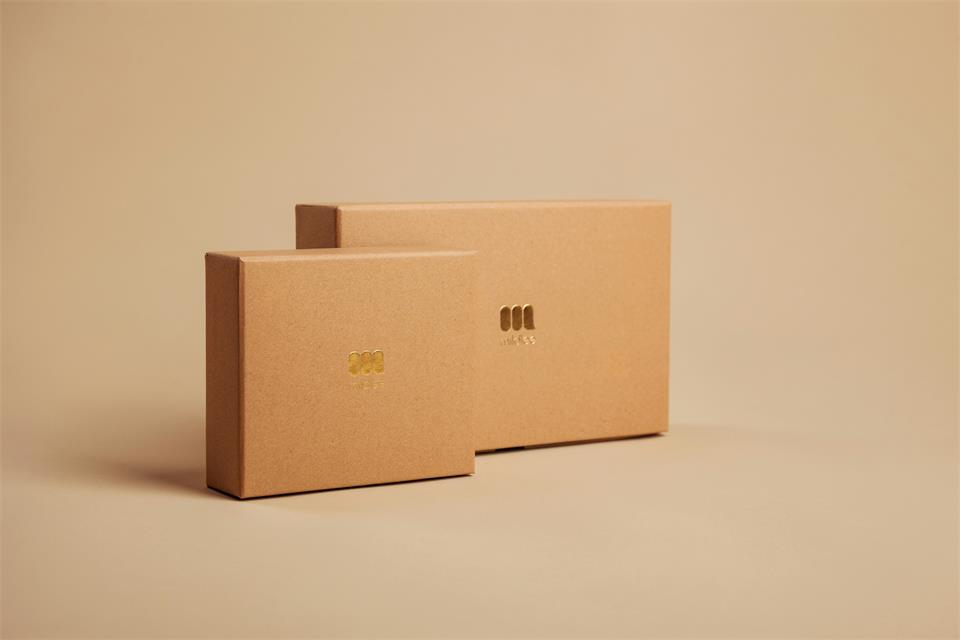
When manufacturing an amazing product that you’re sure will blow the socks off your customers, it’s easy to forget that what you’re selling is the whole story, not only the item itself. This is particularly true if your business centers around creating unique products and concepts that require a little bit more than the average when it comes to appearance.
One way to ensure that your products not only stick out from any competition that might exist, but also to secure the full concept of what you’re trying to achieve, is to have your packaging game on point. But for many, this is the sort of thing that is typically easier said than done. Fortunately for you, if you find yourself in this situation, we’re here to offer a helping hand.
In this post, we will discuss a few ways to make sure that you will delight and excite your customers right from the get-go and make the whole experience, including the opening, one to remember.
Defining Your Product’s “Unique Identity”
You might believe that you know how to define your products and the message that they’re trying to get across, but unless you happen to have a huge team of MBA and industrial design graduates at your beck and call, it’s prudent to take a step back and spend a little time considering this point.
For instance, you might be selling some sort of specialty food or drink that requires Custom and Specialty bottles to complete the entire look. But are your products aimed at those who are more interested in portability and drinking on the go, or the eco-credentials that you’re able to attach to the product?
Conversely, does your brand cater to the 1% of earners, or to the masses? These decisions will have a huge impact on how you package whatever it is you sell and enable you to select the various options carefully and based on the message you want to get across. Outside of these points, there are the mundane, but equally vital options to consider:
- Physical state: Is your product soft and squishy, or hard and robust? This question will guide you towards a more suitable form of packaging.
- User interaction: The way that you want your customer to use the item will also dictate what materials are best suited to the product and how it’s put together (i.e., easy to open, thicker cardboard stock to produce a feeling of luxury, etc).
- Shelf life goals: If your product has a use-by date, you will have to find packaging that can keep it as fresh as possible for as long as possible. Although not such a concern for non-perishable things, it is still something you need to keep in mind.
Material Selection
Once you’re able to define your product, you can move on to the material selection. This can sometimes be trickier than most think it is, but by looking at a selection matrix, you can make a more informed choice:
| Material | Best for | Pros | Cons |
| Glass | Premium skincare, or food and drinks. | Recyclability, inert, has a feeling of luxury about it. | Heavy, breakable, high shipping cost |
| Aluminium | Lower-end beverages or higher-end dry goods. | Keeps consumables fresh and is recyclable. | Can dent, requires internal coatings, and can be costly. |
| Bio-Plastics | Eco-conscious dry goods. | Low carbon footprint. | Specialized recycling is needed, shelf-life limits, and it is often more expensive than conventional plastics. |
| PET plastics | Anything related to mass market and high volume. | Lightweight, easy to manufacture into any shape, and cheap. | It can elicit a perception of “cheapness,” poor environmental impact, which is increasingly becoming more of a concern among consumers. |
Engineering The Perfect Unboxing Experience
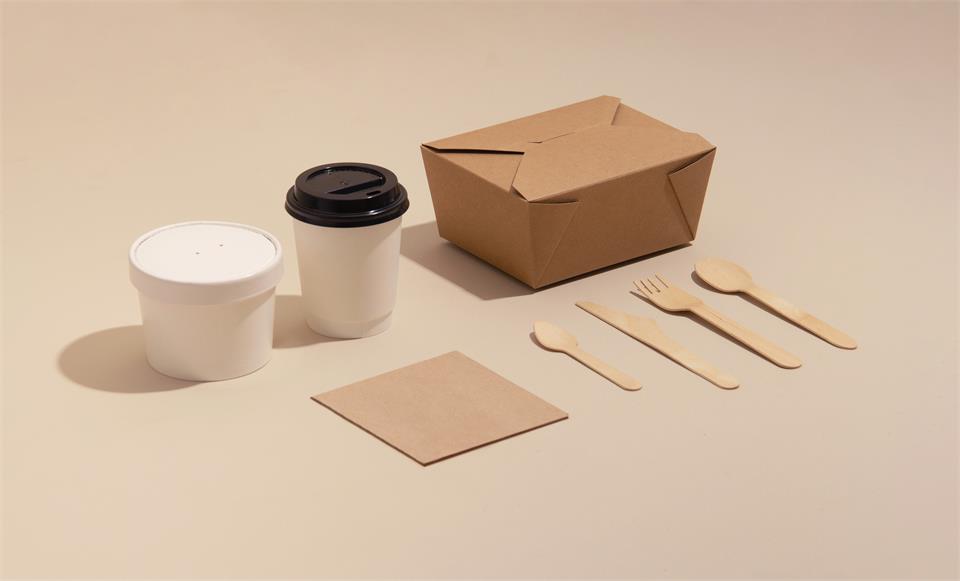
The idea of uniqueness doesn’t begin and end with the product itself, but also the unboxing experience. In fact, this is such a thing that you can find no end of videos on the usual platforms that are entirely dedicated to the unboxing experience. When it comes to this phenomenon, there are three things that you need to consider that can make a difference between the blase and the brilliant.
- Tactile feedback: Most of us know when we’re opening a premium product or one that has been manufactured for the masses. By choosing thicker, more premium materials, you will evoke a sentiment of high-quality, heightening the promise of what’s to come after they finish opening it.
- Visual transparency: Deciding whether to show the product (clear glass/plastic) or create mystery. You can also show only sections of the product, which can make it an even more satisfying experience overall.
- Sustainability as a feature: We alluded to this in the previous table, but more and more consumers are becoming conscious of their carbon footprint. By selecting materials that are easy to dispose of or take little energy to create, you can make people feel better about buying them and more likely to trust your brand in the future.
Practical Constraints & Scaling Issues To Consider
Choosing a packaging solution for your products isn’t all fun; there are very serious considerations you have to contend with if you’re serious about operating a functioning and successful business that complies with the law.
Shipping & Fulfillment
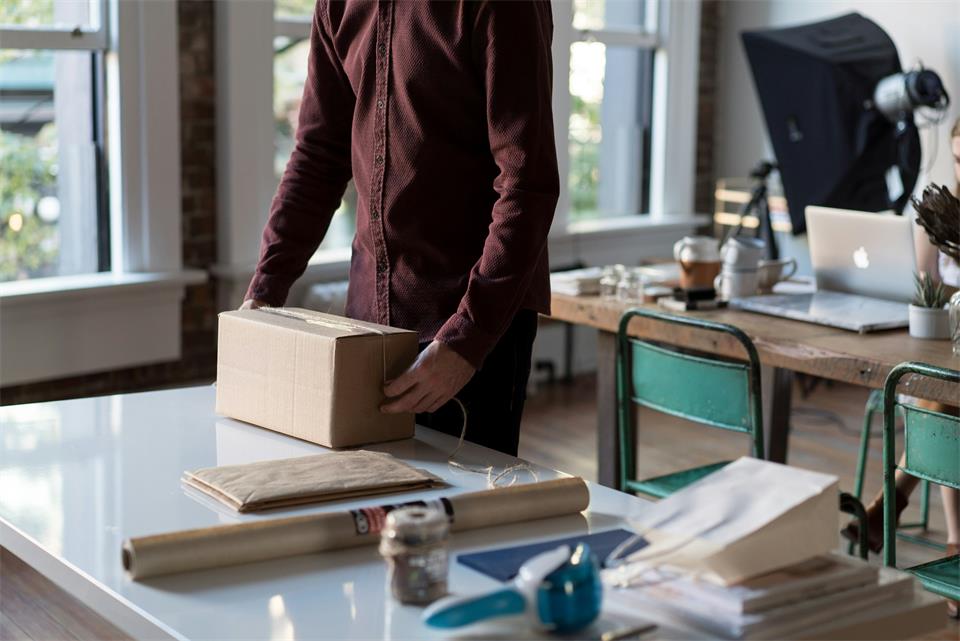
Regardless of whether you lovingly wrap, pack, and give each product a personal kiss before sending it out to the customer, or you are on the more volume side of things, you must always think about shipping and fulfillment. It’s all good and well opting to save money and boost your eco-credentials by using less packaging, but if the items arrive at their destination smashed to bits, you’re going to have a problem.
Manufacturing Compatibility
You’ve already likely spent a decent amount of money on the manufacturing of your products, but you also need to ask if your packaging machines are capable of placing whatever items you sell into their nice boxes.
Moreover, unless you’re entrenched in the volume side of things, there will likely be an MOQ you have to fulfil, often reaching the higher end of the spectrum with more complicated designs and materials.
Creating a unique product that your customers will cherish is already a significant task in itself, but ensuring that it arrives intact and offers even more value vis-à-vis the unboxing experience can be even more challenging.
The tips in this post are purposefully ambiguous as to the sorts of products you might sell because different items demand differing packaging. But they should give you a head start and make it easier to continue your research.