Proper plumbing plays a vital role in maintaining a healthy home. It protects against water damage, ensures efficient drainage, and enhances the quality of life for residents. A well-functioning plumbing system is vital for convenience and for health and safety.
Without proper plumbing, households can face serious challenges such as mold growth, sewage backups, and unsafe drinking water. This article explores the various facets of plumbing in relation to home health, addressing the importance of routine maintenance and quick repairs.
Understanding Plumbing Basics
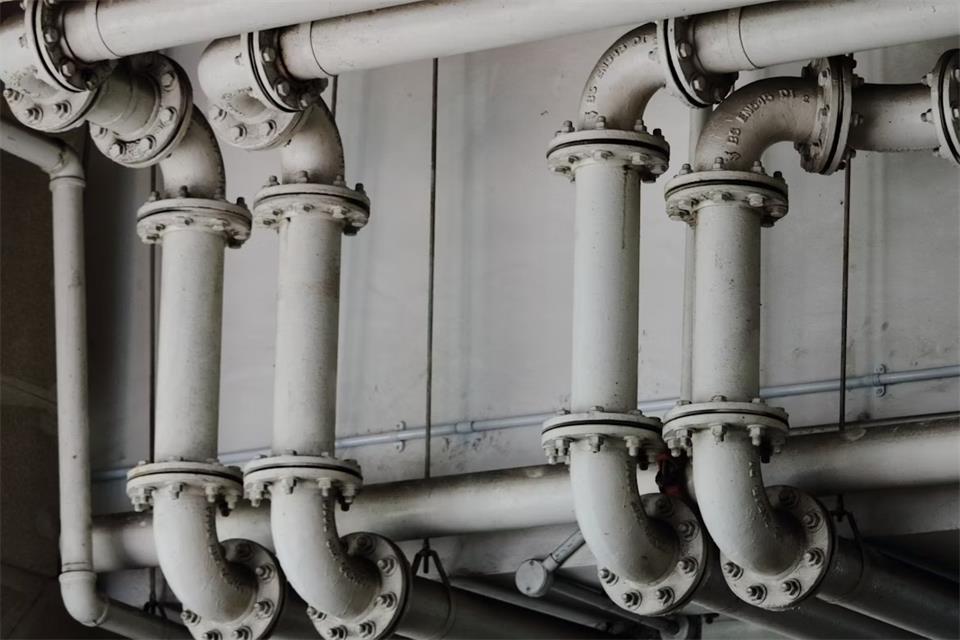
Plumbing systems are intricate networks involving pipes, fixtures, and appliances that work together to deliver clean water and remove waste. This system consists of supply lines that bring fresh water into the home and drainage systems that remove wastewater.
Understanding the basic components of plumbing helps homeowners identify issues before they escalate. In residential systems, pipes often suffer from wear and tear. Common problems include clogs from debris or mineral buildup, leaks that may cause damage, and insufficient water pressure affecting everyday activities.
Property owners should familiarize themselves with these elements to help maintain their homes effectively. Regular inspections and basic knowledge can save homeowners from costly repairs down the line. Plumbing has a direct impact on health.
Contaminated water from leaky pipes can lead to serious health issues, while stagnant water can attract pests and promote mold growth. Regular maintenance ensures that plumbing systems remain functional and safe, preventing problems before they arise. Addressing potential plumbing issues promptly can significantly improve the performance of the system and the well-being of the occupants.
Emergency Situations and Quick Repairs
Plumbing emergencies often arise unexpectedly, demanding prompt attention to avoid significant damage. Common emergencies include burst pipes, severe clogs, and overflowing toilets. Addressing these issues swiftly is vital to preventing water damage and potential health risks.
A burst pipe can lead to flooding, which damages the structure of the home and compromises electrical systems. Knowing how to shut off the water supply can be beneficial in minimizing damage during such emergencies.
Homeowners should keep emergency contact numbers for professionals handy. This enables quick access to aid when turning off the water does not suffice. In these urgent circumstances, working with trained HVAC technicians can provide valuable support. They have the expertise to handle various plumbing concerns efficiently.
Having reliable access to professional assistance allows homeowners to respond swiftly to ensure the safety and functionality of their plumbing systems. Adopting a proactive mindset by preparing for emergencies can save valuable time and resources during times of stress.
Maintaining an emergency toolkit equipped with vitals like pipe sealants, wrenches, and towels can help manage minor leaks until help arrives. Scheduling periodic inspections reduces the likelihood of sudden breakdowns.
Signs of Plumbing Issues
Identifying the signs of plumbing issues early can help home and property owners take swift action to prevent the exacerbation of problems. Common indicators include slow drainage, strange noises from pipes, and visible leaks under sinks and around toilets.
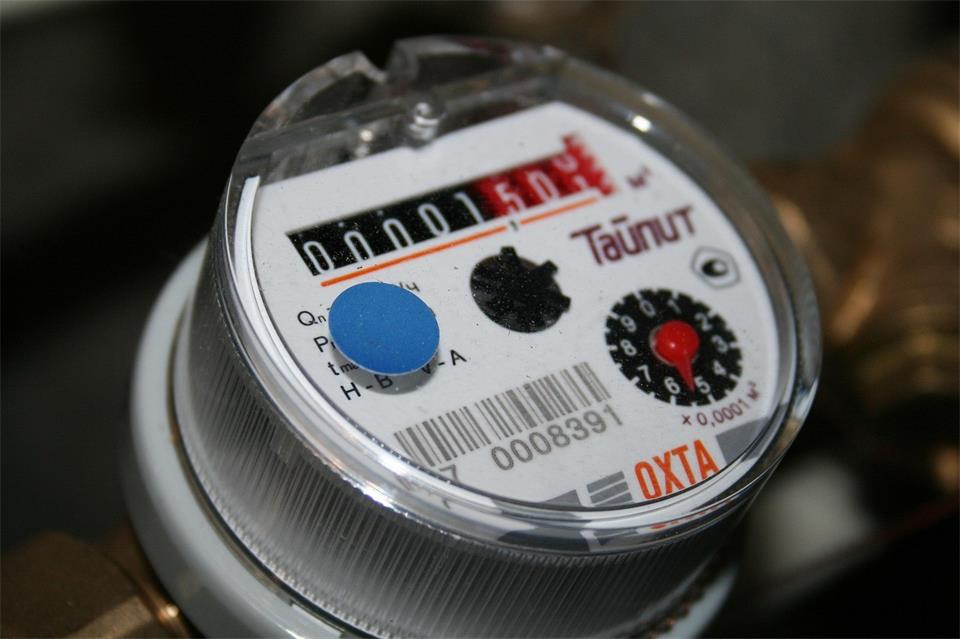
Homeowners should be aware of sudden increases in water bills, which can signal hidden leaks. Unusual odors can point to plumbing troubles. A sewage smell usually suggests problems in the drainage system, requiring immediate attention to avoid health risks. Issues like these should not be ignored, as they can lead to more severe consequences, including property damage or health hazards.
Keeping an eye on these signs can help homeowners take the right steps early on, saving them time and money in the long run. Regular inspection of fixtures and appliances is important. Faucets, toilets, and water heaters should be monitored for unusual changes in flow or temperature.
Minor adjustments can often resolve issues before they turn significant. Consulting professionals is advisable so that the right diagnosis can be made and comprehensive solutions provided. Homeowners should remember that proper plumbing maintenance effectively shields them from unexpected hardships.
Benefits of Regular Maintenance
Regular plumbing maintenance offers numerous benefits, mainly prolonging the lifespan of plumbing systems. A well-maintained system runs efficiently, reducing water bills and preventing extensive repairs.
Regular checks help to catch issues early and fix them while they are still manageable, reducing frustration and expense. Homeowners should frequently clean drains and inspect exterior plumbing for signs of wear and tear.
Seasonal check-ups are an excellent strategy for maintaining plumbing systems year-round. During these inspections, trained professionals can assess the plumbing thoroughly, addressing any concerns before they escalate.
These inspections can be invaluable in spotting potential hazards, and homeowners may benefit from having their water tested to ensure it is safe and free from contaminants. Regular maintenance enhances water efficiency. Efficient plumbing can lower water usage and contribute positively to environmental conservation efforts.
Households can enjoy peace of mind knowing their plumbing functions as it should and that they are contributing to broader sustainability efforts. Regular services by specialists enable homeowners to focus on living comfortably and stress-free while navigating daily challenges.
Long-Term Impact of Plumbing Quality on Health
The quality of plumbing systems significantly influences the health of residents. Contaminated water can lead to severe illnesses, while poorly designed or maintained systems can contribute to mold growth and pest infestations.
It is vital for homeowners to seek quality materials and professional services to ensure their plumbing system remains safe and efficient. Lead pipes can pose serious health risks for children.
As such, property owners must be vigilant about the materials used in their plumbing. Investing in high-quality fixtures and regular inspections helps mitigate hazards that can stem from neglect. Beyond daily comfort, good plumbing plays a foundational role in ensuring health and well-being.
Plumbing systems often interact with heating systems, particularly in colder climates. A well-maintained plumbing network can improve indoor air quality and comfort during the colder months. Regular check-ups allow homeowners to ensure these systems operate harmoniously, safeguarding the health of their loved ones.
Understanding the role of proper plumbing in maintaining a healthy home leads to informed decision-making regarding home care and maintenance. Key aspects include recognizing signs of plumbing issues, the benefits of regular maintenance, swift actions during emergencies, and recognizing the long-term impacts of plumbing quality on health.
Homeowners should prioritize their plumbing systems to enhance comfort and safeguard their families’ health.