
Buildings today aren’t just made to look good or stand tall—they’re built to keep people safe, inside and out. Whether it’s a hospital, school, apartment building, or shopping center, there’s a whole system working behind the scenes to protect everyone.
Some parts are obvious, like fire alarms or emergency exits. But a lot of the safety features are hidden away. These quiet helpers keep things running smoothly and safely, even if no one notices them.
Let’s take a closer look at the real things that make modern buildings safe from the ground up—and yes, even on the roof.
Starting with the Structure
The first part of safety in any building is how it’s built. That means strong materials—steel, concrete, and reinforced beams. These things form the “skeleton” of the building. Engineers plan every part so it can hold the right weight and survive wind, snow, or even small earthquakes.
There’s also something called “load distribution.” That’s just a fancy way of saying that the weight of the building is spread out in a smart way. If one part gets hit or damaged, the rest of the building doesn’t fall apart. Think of it like dominoes that don’t fall when one gets bumped.
Floors, walls, and even ceilings are tested to meet building codes. These rules aren’t random. They’re made by experts who study accidents and disasters to make sure future buildings don’t have the same problems.
The Hidden Importance of Roof Access
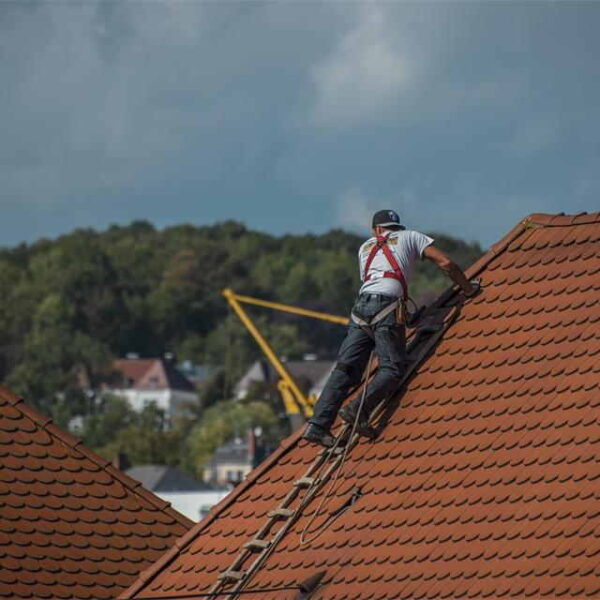
A lot of people don’t think about rooftops unless there’s a view or a leak. But the top of a building is usually packed with important gear—things like air conditioning units, water tanks, and even solar panels. These systems need regular checks and fixes, and workers need a safe way to reach them.
That’s where roof hatches come in. They’re strong doors, usually flat, that let workers move between floors and the roof safely. Some buildings require very specific types of hatches that meet rules set by the American Institute of Architects (AIA). If builders or managers need to buy AIA specification roof hatches, they go with trusted companies that know how to meet those exact rules.
These hatches are built to stay sealed in storms, open safely when needed, and stay locked when they shouldn’t be used. That protects both workers and the building itself.
Fire Safety from Every Angle
When most people think of fires, they imagine alarms and sprinklers—and those are definitely important. But fire safety starts way earlier, in how buildings are designed.
Walls and doors can be made to resist fire for a certain number of hours. That gives people more time to get out if something goes wrong. Stairwells are placed in smart spots so people don’t get trapped, and ventilation systems are built to stop smoke from spreading too fast.
Emergency exits are placed on every level, and the signs that point to them are required to stay lit, even if the power goes out. Backup batteries or generators keep them glowing.
Fire drills and alarms are just the last layer of a much bigger system.
Windows and Doors That Do More Than Open and Close
Windows aren’t just for sunlight. In modern buildings, they often have thick glass that won’t shatter easily. Some are even coated to block UV rays or reduce heat, which helps with energy use too.
Doors can be just as smart. Entry doors in public buildings are often made to resist break-ins or even slow down fires. Some have special locking systems that only open with key cards or codes, which keeps out people who shouldn’t be there.
In schools or hospitals, some doors are made to close automatically during an emergency. That keeps hallways safe and separates dangerous areas from safe ones.
Air, Water, and Electricity—Controlled and Clean
Safe buildings don’t just stand strong—they make sure the things we use inside them are safe too.
Air systems clean the air using filters. Some buildings, especially hospitals, have systems that bring in fresh air and push out old air constantly. This helps stop the spread of germs and keeps rooms from getting too hot or stuffy.
Water pipes are tested to make sure they don’t rust or leak. The water is filtered and treated to avoid bacteria and other things that could make people sick.
Electrical systems are wired with safety in mind too. Circuit breakers stop power if something goes wrong. Wires are placed away from water lines and sealed so they don’t start fires. Even the outlets in kitchens or bathrooms are built to shut off if they get wet.
Floors, Railings, and Safe Walkways
Some of the simplest things in a building are also the most important. Floors are designed not to be slippery. The materials used—rubber, textured tile, or treated wood—help prevent falls. In busy places like schools or office buildings, the floors are picked to last a long time without breaking down or cracking.
Railings are required on stairs and balconies. They have to be strong enough to hold the weight of someone leaning or falling against them. And in tall buildings, they’re high enough to stop anyone from climbing over by mistake.
Hallways and walkways are also part of the plan. They’re kept wide enough for people in wheelchairs, stretchers in hospitals, or crowds during busy times. There are rules about how many exits a room must have, depending on how many people will be inside.
What to Remember
Modern buildings are built to protect people from top to bottom. From the strength of the frame to the shape of a stairwell or the type of roof hatch, every detail is part of a bigger plan to keep everyone safe. It’s easy to forget how much goes into making a building secure, especially when the most important parts are hidden in the walls, under the floors, or above the ceiling.
Next time you’re in a tall building or walking through a school, take a second to think about everything working behind the scenes. Safety isn’t always something you can see—but it’s always there, doing its job.