
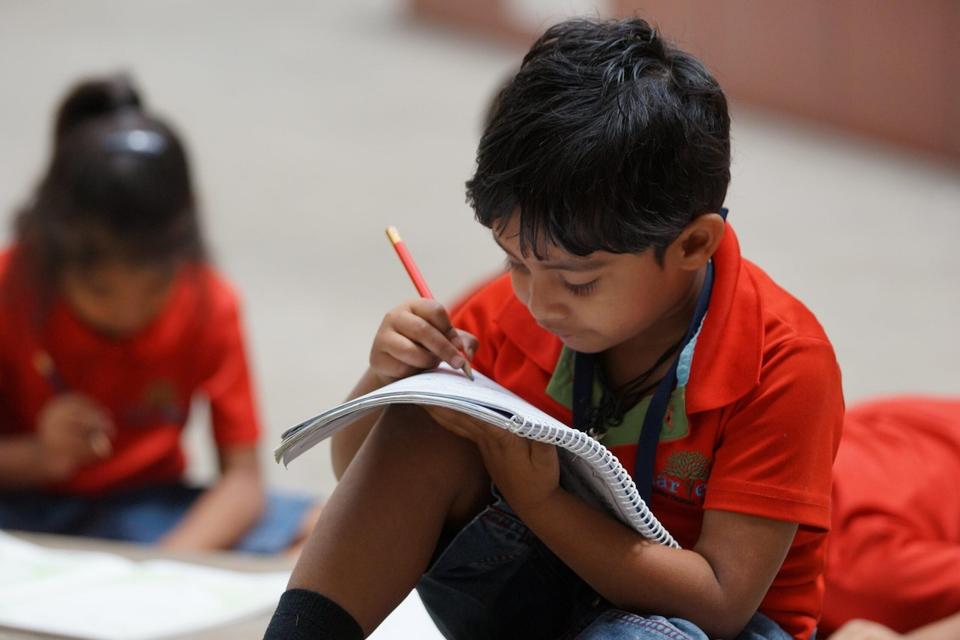
Every child learns differently, but for some, an approach outside a typical classroom setting is essential. Some children struggle with the same teaching strategies as their peers, become overstimulated in hectic environments, and need more of a free pace than within a school day.
Seeking to determine a diagnosis while learning differently is not a negative thing but rather, a way to figure out what really works and facilitates learning as opposed to struggling.
Recognizing When Standard Approaches Aren’t Working
There are obvious signs. A child who loves learning becomes terrified to go to school. Homework becomes a nightly struggle that pits parents against children. Report cards offer inconsistent assessments not experienced at home with the same child.
There are more subtle cues. A child who gets anxious on Sunday night. A child who has a tummy ache on Monday mornings and cries on the way to school. A child who comes home from school exhausted and cries on the way to bed to do it all again the next day.
These patterns do not always mean that something is wrong with the child, but that something is wrong with the learning environment or teaching style—an inappropriate match for how that particular child processes information and social situations.
Some need more movement. Some need calmer environments. Some need fewer children around. Some benefit from individualized attention outside their comfort zone of having to keep up with an entire class (or vice versa).
How to Learn Outside the Traditional Classroom Setting
When what’s best for learning is not inside a traditional classroom, families have more options than they realize. The key is finding one that makes sense for a specific child and family situation.
For example, online learning options that are emerging now may provide students with stabilized curricula but an ability to work through material on their own time, in their own areas, and as independently as they can while maintaining standards.
For families considering whether online school might be a better fit than traditional in-person education, it’s worth looking into what these programs offer in terms of flexibility and personalized pacing.
Many kids who struggle in conventional classrooms do well when they can control their environment, take breaks when needed, and move through lessons at a speed that matches their learning style. These approaches work particularly well for children who need extra time to process information or who get distracted easily in busy classroom settings.
Homeschooling is another route, albeit one requiring much parental effort and facilitation of content/progress to make this a viable option—not necessarily for every family situation, either.
Co-ops where families share teaching responsibilities offer a hybridization of more freedom and less structure with intentional accountability. Other children might do well with a hybrid option, maintaining online learning for consistent days (or even daily) but attending an in-person school once in a while.
Creating Supportive Learning Environments at Home
Regardless of the educational programming path, the home environment is essential to developing success for a child who learns differently. This does not mean creating a classroom at home or doing worksheets for hours on end, but instead creating conducive spaces and established routines to help this child focus and feel comfortable engaging.
Some children need specific learning environments with no distractions; some flourish better by breaking things up in different rooms or activities without the rigidity of an established classroom space everywhere they go.
Sometimes this means trial and error—seeing what works when it comes to where a kid feels more engaged and productive compared to when a child seems restless and disengaged.
Routines help all kids, but especially those who learn differently. Knowing what comes next reduces anxiety levels that might impede productivity in the first place, preventing focus.
A routine doesn’t always have to be so stringent where it’s regimented to the exact minute, but a loose sense of how a day should go can allow many kids the structure they crave to feel secure to learn.
Comparing Strengths Instead of Improving Weaknesses
There seems to be a disproportionate amount of focus on what kids aren’t doing well versus what they do well naturally. Every child who learns differently has things they’re good at.
Maybe they’re masters at art-related contexts, have creative imaginations that help them remember trivia about characters, or think outside the box that leads them to nuanced answers compared to what first appears.
Supporting strengths while tackling flaws provides more holistic progress than hammering down weak points at every turn. For instance, if a child struggles with reading comprehension but loves construction, they may engage better by reading an article/pamphlet about construction instead of general material.
On the opposite end, a child who struggles sitting still might learn more effectively by doodling as they listen to a recorded version of a book being read or played with fidgets compared to expected stillness.
Finding Other Like-Minded Families
Families supporting kids who learn differently often feel like outsiders themselves, especially if friends and family don’t understand why traditional schooling isn’t working and only suggest more drilling efforts in classrooms.
They need to find like-minded others who share their struggles whether in-person or with virtual support groups or co-ops so they can get practical advice, and emotional support along the way.
These connections help reassure parents they are not alone in their feelings or difficult choices about education arrangements for their kids. Other families who’ve faced similar situations show pros and cons about what worked for them, what didn’t work for them, and how to best advocate for their child’s needs effectively.
Trusting the Process
Supporting a child who learns differently requires patience and willingness to adjust course when something isn’t working. What helps one year might need changing the next as the child grows and faces new challenges.
The goal isn’t finding a perfect solution that fixes everything permanently—it’s building a flexible approach that can adapt while keeping the child’s wellbeing and growth at the center.