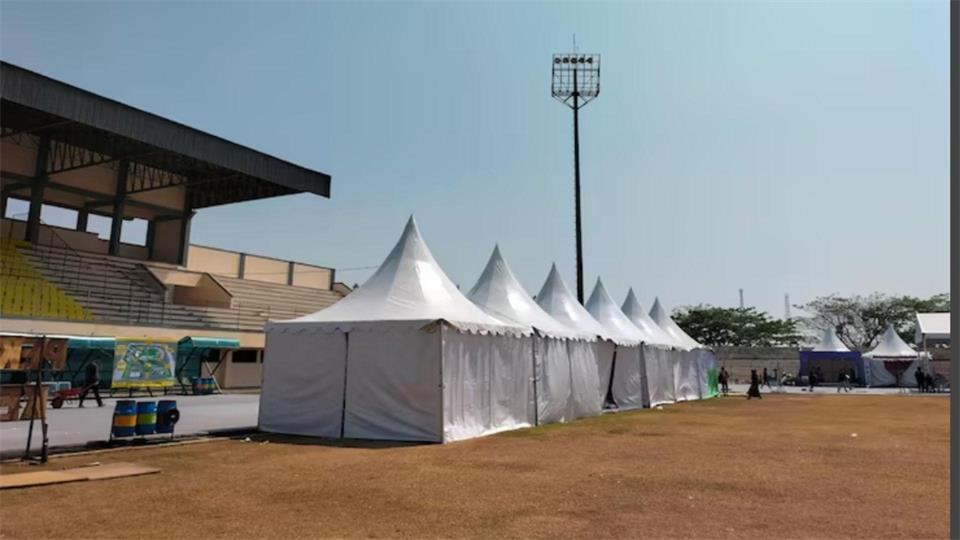
In an active world of trade shows and outdoor events, a good tent is going to make or break a brand’s presentation by being an umbrella and an assertion of professionalism, attention-grabbing style, and valuable display protection. Still, many do not take the setup seriously enough and incur costs and less viability.
Every step of the setup, from frame alignment to canopy security, is a necessary step toward smooth operation. Missing one of these steps may compromise safety, structure, and aesthetics. With a custom pop-up canopy being the most visually appealing and versatile, it performs best strictly when set up properly.
If nothing else, avoiding these errors in setup will improve your presentation as increased fulfillment of your investment, and exhibitors can focus on interaction instead of repair.
Common Setup Mistakes and How to Prevent Them
1. Misaligned Frames and Weak Structural Integrity
The frame, as the tent’s skeleton, is responsible for strength and balance. Poles not aligned correctly will lead to unequal tension within the tent structure, which may lead to cracks or instability of the tent. With a branded tent, the misalignment could also lead to the distortion of the printed graphics, and thus lead to a negative effect on the professional look of the brand.
Each pole and connector must be tight and secure so that your structure is symmetrical and distributes weight evenly. A manufacturer’s guide or reference markings during the installation will help avoid minor alignment issues from becoming major problems. An aligned structure not only stands tall, but it also reflects the brand’s discipline and attention to detail.
2. Poor Ground Preparation Before Setup
The ground condition is often the most significant factor in how stable a tent stays during the course of an event. An uneven surface, rocks, and debris can create bending of the frame or uneven tension. Before erecting the tent, the ground should be inspected and leveled, and debris should be removed. For larger-scale exhibits, it may be recommended to use base plates or flooring to increase stability.
If it is windy or a high-traffic area, anchoring systems can help prevent shifting or collapse. By having the proper inspections and provisions for the ground, the structure will remain properly balanced, secure, and visually appealing under tough events.
3. Ignoring Weather-Resistant Measures
Unpredictable weather is among the greatest challenges in outdoor setups. Inclement conditions, including rain, sunlight, and high wind gusts, present huge stressors to all-weather structures, even exceptionally durable ones. Weatherproofing systems such as reinforced edges, weighted anchors, and water repellency can delay the tent lifecycle considerably.
UV-resistant materials offer protection to fabric and (where applicable) graphics from fading. Having contingency systems in place (such as side walls or drainage systems) is another line of readiness. When a tent is known for being able to endure the harshest conditions, it reduces the likelihood of “once in a lifetime” maintenance costs and builds trust with the event planner/attendees.
4. Overstretching or Improperly Securing the Canopy Fabric
The goal should be to achieve a polished surface, but this emphasis on a taut surface can cause the user to overtighten the canopy. Over time, overstretching can weaken the fabric fibers and tear seams projecting from the fabric.
The canopy needs to be stiff enough to prevent sagging but pliable enough to allow for movement caused by the wind or temperature display—these actions can also apply strain to the tent through undue pressure in joints and connectors.
Additionally, for long-lasting durability, make sure you are following the manufacturer’s tension specifications, and take care to check each corner evenly. Balanced tension helps maintain tent form and will keep brand graphics crisp and professional-looking throughout the event.
5. Neglecting Post-Event Care and Maintenance
After an event ends, a variety of teams prioritize the speed of disassembly, so the tent is not properly folded, moisture is trapped inside the tent, and the storage is less than clean; this lack of attention to detail is a primary influence on mold, rust, and fading. After use, tents should be stored fully dry, inspected for minor damage, and cleaned before packing.
Frame poles and connector parts should be stored separately, in proper protective cases, to avoid scratches and deformation. Regular maintenance and care will enhance the ease of storage for another event, and it also prolongs the life of the tent; both are additional protections of the brand’s investment.
End Point
Preventing damage to your tent involves less expensive upgrades and a different, careful method in setup, use, and storage. Everything you do to set up, maintain, and use a custom pop-up canopy or branded tent is a preventive measure for structural integrity, appearance, and brand equity.
When shows demonstrate correct setup practices, it shows professionalism, planning, and intention. A good custom pop-up canopy or branded tent has a long service life and represents quality and dependability. In this way, you keep the brand top of mind for all of the right reasons: it is durable, refined, and always ready to go.