
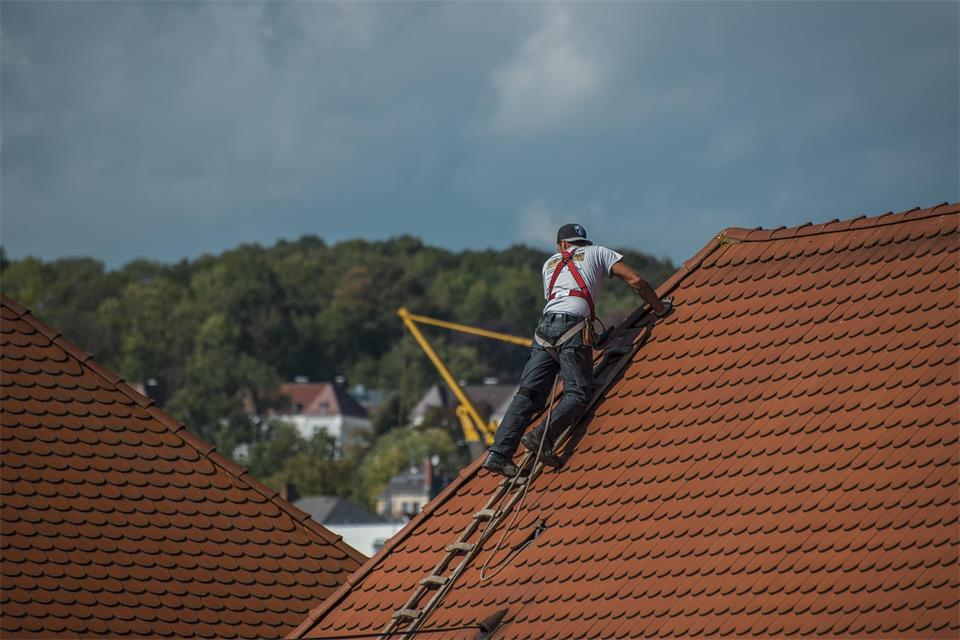
If you’ve ever walked past a big building and looked up, you probably didn’t think much about how people get on the roof. But for the people who work in those buildings, or take care of them, it’s a real thing they have to figure out. And not just how someone gets up there—but how to do it safely.
Safe roof access might sound simple, but it’s one of those things that can go really wrong if it’s not planned properly. You don’t want someone slipping, falling, or getting stuck just trying to check an air conditioner or clean a vent.
So, what does safe roof access actually look like in a modern building? It’s not just a ladder and a door. There’s way more to it, and the details matter.
It’s Not Just About Getting to the Roof
A lot of people think roof access is just about reaching the top of the building. Like, throw in a hatch and call it done. But in real life, it has to be safe to use, not just technically possible.
That means it needs to follow safety rules. It needs to work with how the rest of the building is built. And it needs to hold up over time, especially in bad weather or emergencies. You can’t have a setup that works for one person once, and then breaks or becomes dangerous after a few months.
Good roof access has to make things easier, not riskier. And it should be part of the building’s design—not something added on at the last minute.
Choosing the Right Hatch Is a Big Deal
One of the most important parts of roof access is the hatch itself. This is basically the door that opens to let you up onto the roof. If it’s too small, too weak, or in the wrong place, it becomes a problem.
Some hatches are made for light access—like checking something now and then. Others are built for regular use or for carrying equipment up. You don’t want a flimsy hatch in a building where people are going up to the roof every week.
If you’re trying to set up a system that lasts and keeps people safe, it’s smart to look into strong, tested options made for commercial use. For example, you can find safe roof access solutions that are built to handle regular traffic, bad weather, and secure locking—all stuff that matters in real use.
The Ladder (or Staircase) Has to Match the Hatch
Another part that people mess up is the ladder. You can’t just stick a ladder under the hatch and hope for the best. If it’s not the right height or angle, or if it’s wobbly, that’s a big safety risk.
Some roof hatches are meant to be used with vertical ladders. Others need ships ladders or even stairs, depending on the height and layout. If the ladder doesn’t line up right or make it easy to move safely, it kind of defeats the point of the whole system.
Also, ladders need to be made of materials that don’t rust or get slippery, especially if they’re near vents or fans that blow out moisture or heat. If someone’s climbing and the rungs are slick, that’s just asking for an accident.
Placement Makes a Difference
Where you put the hatch actually matters a lot. If it’s in a weird corner or right next to something hot or dangerous—like a big HVAC unit or an exhaust vent—it’s not safe.
The hatch should be in a spot where people can easily stand up after climbing through, without bumping into anything. It should also be clear of stuff that gets in the way or creates tripping hazards on the roof. Sometimes designers pick hatch locations that look good on a plan, but in real life, they’re just awkward and unsafe.
Also, water drainage is a big deal. If the hatch is in a spot where water pools, it could start leaking or freezing shut. That’s not just annoying—it can damage the building or trap someone on the roof.
Security Counts Too
You might not think of roof access as a security thing, but it is. If someone can break into a building through the roof, that’s a huge issue.
Safe roof hatches need proper locks. Some can be opened from the inside without tools (for emergencies), but locked from the outside so strangers can’t just climb in. In some buildings, they even connect to alarm systems or cameras, just in case.
It’s also important that whoever installs the hatch actually knows how to seal it and secure it correctly. A badly installed hatch can be pried open or even blown open in a storm. That’s not just unsafe—it can lead to expensive damage.
Regular Checks Are Part of Being Safe
Even the best roof access setup isn’t “safe” if no one checks on it.
Hatches, ladders, locks, and seals need to be inspected regularly. Hinges can rust. Seals can crack. Locks can get stuck. If no one notices, the system might fail when someone needs it most.
Most commercial buildings have regular maintenance routines, but roof access often gets skipped because “it looks fine.” That’s a mistake. The roof isn’t the place where you want something breaking suddenly.
What Good Access Looks Like Today
In modern buildings, safe roof access isn’t just one thing. It’s a mix of the right hardware, smart design, good planning, and regular care.
A safe setup usually includes:
- A weather-sealed, tested roof hatch
- A properly placed and aligned ladder or stair
- Security features like locks and alarms (if needed)
- Easy access for workers doing regular maintenance
- Compliance with local safety codes and building standards
When all those things are in place, roof access stops being a risk and becomes just another part of the building that works how it should.
Why It Matters More Than People Think
Roof access doesn’t sound exciting, but it touches a lot of important stuff—safety, security, maintenance, and even legal responsibility. If someone gets hurt because the ladder was wrong or the hatch broke, the building owner is usually the one who has to deal with it.
That’s why taking the time to do it right is always worth it. It keeps workers safe. It protects the building. And it shows that the people in charge actually care about the details—not just the big stuff.