A professional cleaning company is often brought in later than it should be. Usually after dust becomes visible. After smells linger. After people start opening windows in winter. Office cleaning is rarely treated as a serious operational decision.
It should be. Not because of how a space looks in photos, but because of how people actually behave inside it. Dirt changes moods. Dust slows thinking. Smell kills focus faster than noise. That’s not a theory pulled from a book. That’s daily office life.
How Northbrook Offices Actually Accumulate Dirt
In Northbrook, many teams turn first to a cleaning service in Northbrook when internal efforts stop working. Offices here run quietly and constantly. Computers stay on from morning to evening. Printers hum in the background.
Screens stay active longer than planned. All that equipment pulls dust like a magnet. Keyboards, vents, cables, desk edges. Once that fine layer appears, it spreads fast. Weekly cleaning rarely keeps up. The air gets heavier. Allergies start showing up. People feel tired without knowing why.
The Details That Make an Office Feel Worn Out
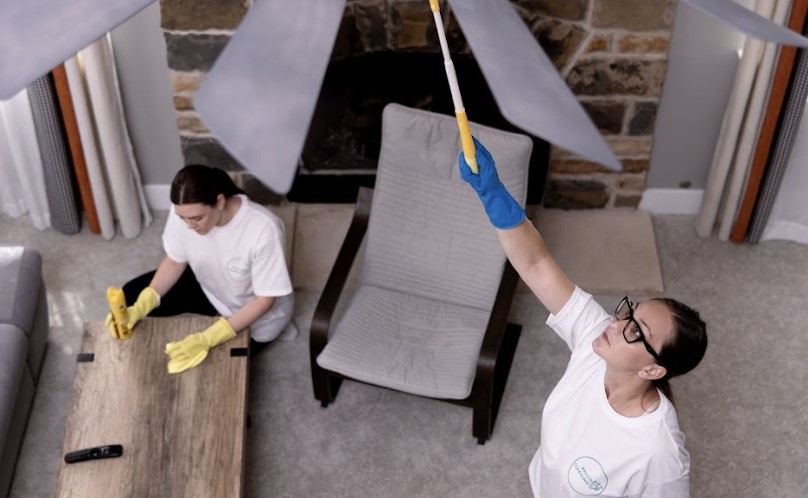
Furniture shows neglect faster than walls. Table legs collect scuffs. Chair bases trap dust. Sofa bottoms in waiting areas quietly darken over time. These are not dramatic messes. They’re slow ones.
And because they sit low, they get ignored until the whole room feels worn out. When those areas are handled several times a week, the difference is immediate. The office feels calmer. Cleaner. More put together, even if nothing else changes.
Restrooms and the Point Where Control Is Lost
Restrooms deserve special attention the moment an office grows past a few employees. Once traffic increases, bathrooms behave more like public spaces than private ones. Supplies disappear quickly. Odors linger if timing slips. Cleaning once a day becomes risky.
Twice a day feels safer. Not for appearances alone, but because staff notice everything. They may not complain out loud, but impressions form fast. A neglected restroom quietly damages how a company feels from the inside.
Glass, Light, and Visual Fatigue
Glass surfaces create problems most managers underestimate. Doors. Conference room walls. Office partitions. People rarely use handles. They push with their fingers. By mid-afternoon, smudges multiply. Light hits the glass and the room suddenly looks chaotic. A single daytime wipe changes that mood completely.
It’s a small action with a strong visual effect, especially in modern offices built around transparency. This is why many companies rely on a steady commercial cleaning team in Northbrook rather than assigning the task randomly.
Floors Remember Every Step
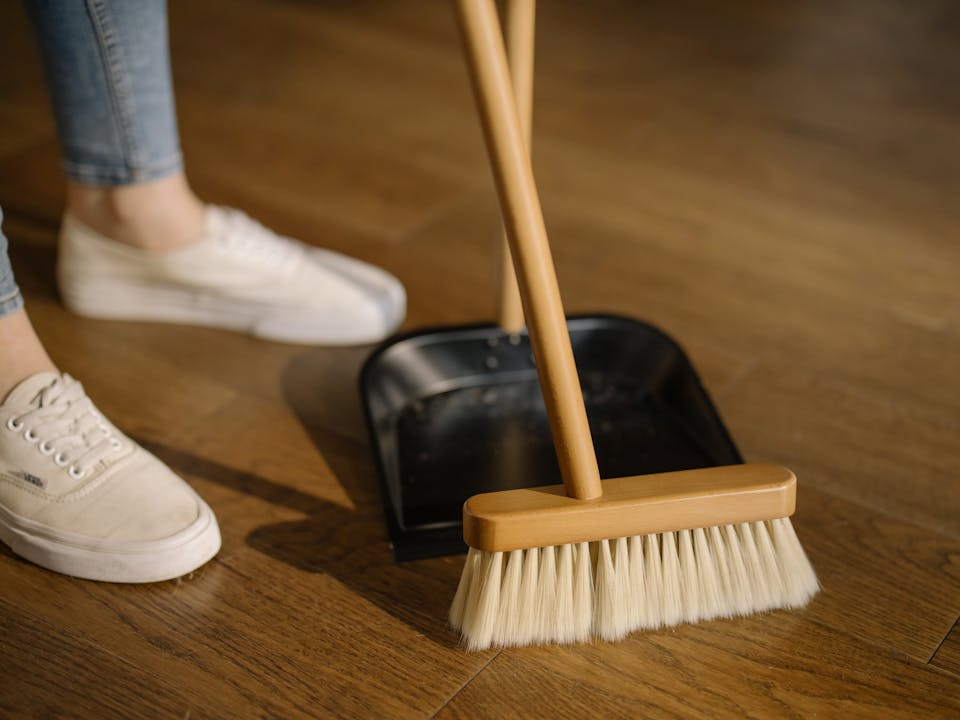
Floors carry the memory of the day. Laminate shows streaks almost immediately. Daily wet cleaning keeps it from dulling and warping over time. Carpet hides problems until it doesn’t. Foot traffic matters more than schedules. Offices with regular visitors learn this lesson the hard way. Cleaning has to follow use, not habit.
Seating That Ages Quietly
Office chairs age quietly. Fabric absorbs more than spills. Skin oils. Dust. Lingering odors. Waiting too long turns maintenance into replacement. A deep fabric treatment a couple of times a year keeps seating usable without shortening its life. That’s simple cost control, not luxury.
Surfaces Everyone Touches and No One Notices
Doors and radiators collect grime slowly but steadily. Everyone touches them. Few people notice the buildup until it becomes obvious. A regular wash keeps surfaces intact and avoids that sticky, dull feeling nobody wants to lean against during a long day.
When Cleaning Tools Create Problems Instead of Solving Them
Cleaning organization inside the office matters just as much as the cleaning itself. Using the same tools across restrooms, kitchens, and work areas spreads problems instead of solving them. Offices that take cleanliness seriously separate equipment by zone. Different tools. Different buckets. Often color-coded. It sounds basic. It works.
Supplies as a Silent Signal of Respect
Supplies should never be an afterthought. Trash bags. Soap. Paper towels. Toilet paper. Sanitizer. When these run out, irritation rises immediately. Visitors notice. Staff notice faster. Keeping them stocked isn’t generosity. It’s respect.
Shared Spaces and Health Expectations
Disinfecting floors in shared spaces plays a quiet but important role. Regular use lowers illness spread and reduces sick days. In recent years, this isn’t a selling point. It’s expected.
When Cleaning Has One Clear Owner
All of this works best when responsibility sits with one dedicated team. They learn the space. They notice small changes. They clean based on how the office is actually used, not on a checklist that resets every week. Over time, the results stop fluctuating.
A clean office doesn’t shout. It doesn’t show off. It simply works. And when cleaning is done right, nobody talks about it. That’s usually the best sign.